Rod Ashford’s History
A searchable web edition of this historical document. The original file remains available for download below.
Download the original PDFDocument page 1
1

Rod’s Family History Notes

(In his own words with minor grammar editing)

I was born in Lebanon, Linn Co., Oregon, a small farming community in the Willamette Valley, on
0ctober 6, 1943 the second child and first-born son of Delbert and Leona Lillian (Buckle) Ashford (Figure
1). Dad’s parents were George Butcher and Nora Elizabeth (Jarvis) Ashford (Figure 2), whom we
affectionately called Nanny and Grandpa. My mom’s parents were Thomas Charles and Mollie Leona
(Jones) Buckle (Figure 3). Thomas died in the spring of the year he turned two, so I have no memory of
him. We called Mollie, Grandma. Here is a picture of the house Grandma Buckle lived in before Uncle
Nelson Buckle bought it (Figure 4).

My sister, Delberta, was born in the same hospital two years earlier on September 3, 1941. A brother,
Dennis, was born on March 30, 1945, also in Lebanon. When Dennis was seven months old, he was
diagnosed with Infantile Paralysis, a form of polio, and was placed in the Doernbecher Children's
Hospital in Portland, OR.

Before I was born and before I can remember anything, Dad and Mom had lived in various locations in
the cities of Sweet Home and Knox Butte, places near Albany, in Albany proper, and Millersburg before
moving to Jefferson.

They also spent approximately six weeks in Idaho during this time.

In June (1945) after Dennis was born, they were living in Millersburg then, Dad was drafted into the
military, even though he had three children at home, and he worked at a plywood mill which should
have made him exempt from military service. While he was in basic training the war ended, but he was
detained to clean up the Army bases in southern California. After his discharge, he took a bus to
Millersburg and walked home from town. He arrived just before Christmas 1945.

His time in the service was six months and 11 days. In his middle sixties, he was diagnosed with colon
cancer.  Because he had spent over 180 days on active duty in the military, his medical expenses were
fully covered by the Veterans Administration.

The Kerosene Incident

After dad came home, I followed my mother downstairs one winter morning as she went to fix breakfast
for Dad. I asked her for a drink of water. We had a wood-burning cook stove and Mom used kerosene to
get the fire started. When she set the teacup down that she had used to pour kerosene on the wood I
picked it up and drank out of it thinking it was my drink of water. I remember being violently sick and
throwing up on the back porch. That is all I remember. My Mom and Dad told me they had to take me to
the hospital in a utility company’s truck because the roads were blocked by snow. According to them, it
is a miracle I am alive.  The aftereffects of drinking kerosene left scar tissue in my stomach, and I
remember having my stomach X-rayed several times in my youth. I had trouble drinking carbonated
drinks until I was in my middle twenties.  Even as a senior citizen spicy Mexican food and I do not get
along very well.

In Millersburg, I was playing on the bed when my front teeth got caught in the bedspread and were
pulled out. Ouch!
Document page 2
2


Living in Jefferson

When we lived in Jefferson, OR, my older sister, Delberta, (it was a good thing I was not born first else I
would have been Delbert JR.) and I went big game hunting in the corn field next to the house.  It was at
Jefferson where Dennis swallowed some coins.

Living in Vernonia

We moved to a dairy farm near Vernonia, OR before I turned four and that summer, I was using a very
dull single-bitted axe to chop some wood blocks. I remembered that Dad used a double-bitted axe to cut
wood for the house, so I proceeded to the woodshed to get it.  Between our house and the barn, there
was a bunkhouse that was supposed to be used by hired hands (we never had any of those).  As I was
carrying the axe on my shoulder, like a man would do, the axe became too heavy for me, so I bent over
and placed my left hand on the ground making a three-point stance and then I tidily-winked the axe off
my shoulder onto my hand. I almost cut off my middle finger and the two adjoining fingers were cut
also. I started to cry loudly and Uncle Harvey, Mom’s younger brother who was spending the summer
helping Dad on the farm, stepped out of the barn and told me to be quiet.  When he saw the cut hand,
he got Dad, and they took me to the doctor. I remember what I have told you here, but I don’t
remember being in the doctor’s office.  I do remember having the staples removed. See the picture of
Delberta and me (Figure 5).

While we lived in Vernonia Dennis was run over by an empty utility trailer. I remember seeing tire marks
on his stomach. I also remember tipping a car battery over in Dad’s new car and I remember my brother
David (4/3/1948) being born at home. Delberta was allowed to name David.  She picked the name of a
friend from school.

Dad bought a silo from someone who lived on an island in the Columbia River. Dad rented or borrowed
a flatbed truck to haul it home. As we got on the ferry to cross back to the mainland with the loaded
truck the deck of the ferry was under water. The operator said not to worry. I am still here, so I guess
the operator was right. I watched as Dad and some other men build the silo. I recall seeing the men fill
the silo with alfalfa. As they put the alfalfa in they sprayed it with molasses so it would be sweet for the
cows to eat. We had a smoke house where Dad cured meat to eat in the winter.

Before Dad built a milk house, he cooled the fresh milk in the creek that ran in front of the house.  It
stayed there until the creamery picked it up. After he built a milk house (Dad used bailing wire for
reinforcement) Dennis and I found a piece of bailing wire sticking out of one wall, so we wiggled it until
there was a hole clean though the wall. (Freshly poured concrete is relatively soft.) Needless to say, Dad
was not happy with us. I did something else that also made him very unhappy. He used a wheelbarrow
to move the ten-gallon cans of milk around. I attempted to pick up the wheelbarrow one day and spilled
all the milk that was on it.

In the fall when the salmon are returning upstream to their spawning grounds some of them use the
creek in front of the house. Before the creek left our property there was a small fall that the fish had to
jump over. I remember going with Dad and holding a flashlight so Dad, using a pitchfork, could stab a
salmon or two. I believe this is called poaching. Uncle Harvey remembers Dad talking about doing this.
Document page 3
3

When I was a child growing up in Oregon one could start kindergarten if their fifth birthday were before
November 15. Because of the rule, I started half-day (afternoon) kindergarten in the fall when I was
four. To keep my school clothes clean during lunch, my mother made me wear some of my sister’s
playdresses. My Uncle Harvey made fun of me. I remember I went to school from January until school
was let out for the summer. Mom took me to school, and I had to ride the bus home with Delberta.
There were many busses, and I was scared I would get on the wrong one.

Somewhere near where we lived in Vernonia a man owned a mink farm. Dad took Dennis and me to visit
the mink farm. The first thing the owner said was that we were to keep our hands in our pockets. Mink
cages are made of quarter-inch square hardware cloth built on stands about three feet off the ground,
which is about nose high to a 4-year-old (me). As we walked around the cages, I did not see any mink. At
the end of each cage was a closed box with an opening into the cage. After not seeing any mink, I forgot
to keep my hands in my pocket, and I poked my small fingers through the cage. Before I could react, the
mink flew out of the small box, ripped the flesh off the outside of my fingers, and disappeared back into
the box. I never saw the mink, just a flurry of motion.

When I thought I was old enough to help with the dishes I was drying the silverware when Mother
placed a sharp butcher knife on the counter. Before she could tell me not to dry it I picked it up,
wrapped the dish towel around with my hand, and drew the knife towards me.  Needless to say, I
severely cut my hand.

I remember my parents having the house painted while I lived there. I remember the big buckets of
paint (brown, I think), the tall ladders, and the long hoses.

Living in Boring

The summer after kindergarten Dad sold the dairy farm in Vernonia and bought a place in Boring, OR
near Gresham. There was a ten-acre field next to the house Dad tried to plow with a horse. After one
long day of following the horse around, he went to town and purchased a Ford Ferguson tractor.

The day Dad was plowing with the horse Delberta and I followed him around walking in the newly
turned-over earth. Dad was way ahead of us, so I decided to cut across the field to catch up. Delberta
kept to the furrow not knowing that Dad had plowed through a buried hornet’s nest. She stepped into it
and was badly stung.

Dad and some neighbors built a large barn on the property with a gambrel roof. He also built a bridge
over the creek between the house and the back ‘forty.’ We, Mom and us kids used to take Daddy lunch
when he was working the back ‘forty’.

About this time Dad took up deer hunting and built himself a teardrop camp trailer.

Across the road in front of the house were some very tall fir trees Dennis and I would climb. We climbed
to the very top. Dennis and I also played in the newly built barn. We took sticks and drove nails at the
end of them and then sharpened the part of the nail sticking out. We built forts with the hay bales in the
barn loft and then threw these javelins at each other. I didn’t duck fast enough one time and was hit on
the top of my head with his javelin. I still have the scar to prove it. We told Mom I had tripped and hit
my head on a nail driven into the wall. She shaved my head and put a band-aid on the cut and told us to
be more careful.
Document page 4
4


Because I lost my front two front teeth in Millersburg I talked with a lisp. Bus driver became ‘buth’ driver
and older kids on the school bus teased me unmercifully. One time the kids on the school bus took my
knit hat and would not give it back to me. I would not get off the bus until I had my hat back. Mom had
to get on the bus and force the kids to give me back my hat. The bus driver didn’t do anything.

My third brother, Marvin was born on 12/29/1950 while we were living at Boring.

For my birthday when I turned 8 in the fall of 1951 and my brother David was 3 my parents bought two
gifts. One was a long rectangular box and the other was a large relatively square box. For some reason I
still don’t understand I had to let David have the gift I didn’t pick. I remember it being a very hard
choice.  I eventually chose the square box. It contained a steel steam shovel. I remember sitting on it in
the sandbox and digging holes. David’s gift was a moving van that he insisted was a bread truck. I also
remember David playing with a black toy doll.

With three of us boys in the family now we were always in need of new shoelaces. When we asked for
them, Dad would go get his ‘going-to-church’ shoes out of the closet and tell us how long he had had
them, since my sister had been born (1941) and they still had the original laces in them. He was trying to
make us feel bad about wearing out our shoelaces. At our age, we never realized that the only time he
wore those shoes was when he went to church, but I don’t recall us going to church when we lived in
Boring.

Because we only had one wood-burning stove to heat the house in the winter there was an old army
blanket hanging between the kitchen and the dining room. One time as Mom and Delberta were going
through the blanket in opposite directions Mom spilled a bowl full of hot gravy on my sister. Her chest
was severely burned. Mom put wet tea leaves on her chest to keep it from scarring.

The road in front of our house had a slight slope to it. When Delberta got her first (maybe her only)
bicycle Dad taught us how to ride it using the hill for speed. I learned first, Dennis second and, of course,
Delberta was last, after all, she was a girl.

In addition, to the road having a slight downhill grade our driveway did too. One day David was playing
in the car when he released the emergency brake, and the car ran into the garage knocking it off the
foundation. Somehow Dad got the garage back on its foundation.

We had an asparagus patch in our garden, and we only ate the tips of the asparagus. I was in college
before I knew people ate the woody stems. The asparagus we ate was usually served with rich cow’s
cream on it.

Dennis had a thing for bee stings. If there was a bee in the neighborhood he was stung by it. One time
we were walking through the woods near the creek and came upon the dump site. This was before
recycling and we burned what we could, we fed the pigs leftover scrapes and we dumped the non-
burnable in the creek or a ravine on our property. As we strolled through it kicking cans Dennis kicked
one that had a bumblebee’s nest on it. The bees flew up his pant leg and stung him.  You can guess how
that felt.

Another time Dennis and I were playing on the wood stack in the side yard. We had built forts with the
wood and were playing cowboys and Indians. At the end of the wood stack, there was a wooden apple
Document page 5
5

crate lying in the weeds, which were about 2 feet high. The wood stack was probably about five or six
feet high. I told Dennis I could jump off the top of the wood stack and bust through the side of the apple
crate. He said I couldn’t. Well, I jumped but on the way down I realized that if I broke the side of the box
I might hurt my legs so I spread out my feet and landed on the edges of the box. I did not bust the box
up. Dennis laughed at me. He jumped and landed square on the side and busted it big time. However,
there was a paper hornet’s nest that filled the box on the inside. The wasps swarmed up his pant legs
and tee shirt, stinging him multiple times. He ran into the house, (I ran away from the bees) and peeled
off his clothes. The mad bees stung my mother and sister. Somehow this was entirely my fault and I got
to attend a hickory stick waltz.

When I was in the first or second grade at Orient Grade School in Gresham the teachers would not allow
the students to play outside when there was lots of snow on the ground. Another boy (I think his name
was James) and I decided to play outside at lunchtime anyway. We snuck out a side door and we
thought no one had seen us. When we got back to the school room, the teacher had us all stand up and
then she went around the room feeling the seat of our pants. As everyone knows, when you slide
around in the snow your clothes get wet. The teacher found the seat of my friend and mine to be wet.
We were sent to the nurse’s office where they took off our wet clothes, made us lie down on a cot, and
waited for our clothes to dry.

I had the same teacher, Mrs. Thompson, for my first three years in school. I needed this because as I
stated earlier, I started kindergarten before I was 5 which meant I started first grade before I was 6. If it
were not for Mrs. Thompson, I probably would have had to repeat a grade.

The grade school was big, so the buses usually had two routes, an early one and a late one. Living where
we were we were on one of those early/late routes. For half the year the bus picked us up early and
then for the second half of the year we were picked up late. Here again, I was always afraid I would miss
my bus. I was very insecure.

We raised rabbits while we lived in Boring. We raised them as pets and then we killed them and ate
them.  Because each of us kids had a pet rabbit Mom would wait until one of us was gone and then we
would eat their rabbit. Mom would make us slippers out of the rabbit skins.

While we were living at Boring Grandma Buckle came to stay with us. Being a ‘normal’ child, I talked to
myself when I played. One day as I was riding my wagon on the sidewalk one wheel kept slipping off the
sidewalk. I stepped beside the wagon and kicked it telling it to stay on the sidewalk. Grandma Buckle
heard me and with a switch in one hand and me by the collar, we marched to the barn where she stood
me by the rear tire of the tractor and told me to start kicking and talking to it. If I quit either one she let
me have it with to switch. I don’t know how long this lasted but it lasted longer than I wanted it to.

Living near Albany

After three farms, in Jefferson, Vernonia, and Boring, Dad was ready to quit farming. He claims he went
broke on all three farms. While at Boring he got a job working in a lumber mill/yard. When that job
petered out, we moved to Albany and lived in his parent’s house with Nanny and Grandpa (Figures 6 and
7). The yellow caution tape was around the house because it had recently burned.

Nanny and Grandpa purchased a house in town and had it moved to the north side of the farm. (The
house they bought was in the right-of-way for a new freeway in Albany.) I remember watching the
Document page 6
6

house being moved down the road and being set up. After the house was set up, Nanny and Grandpa
moved into it.

Oak Creek ran between the old farmhouse and where Nanny’s house was, and we used to swim in it.
Truth is, we only played in it because none of us knew how to swim. Below the swimming hole and
before the creek went under the bridge was the dump where any refuse that wouldn’t burn or the pigs
would not eat was tossed. When Dennis and I were older and went to stay with Nanny and Grandpa for
two/three weeks in the summer we would go to the bridge and gather up armloads of nice throwing
rocks and store them on the bridge. Then we would go to the dump and gather up as many bottles as
we could find and toss them into the creek. We would rush back to the bridge and see how many bottles
we could break before they passed under the bridge.

We attended Oak Creek School while living on the farm. It was a two-room schoolhouse with two
teachers and about 36 students (Figure 8). I attended all the fourth grade and six weeks of the fifth
grade there. In the fall when we started school the first job, we had was to clean the play yard. All the
kids and teachers pitched in. We gathered the trash and burned it in a barrel. The only problem was that
some of the trash we picked up was poison ivy. Most of the kids had a bad case of poison ivy itch.

At school, all the kids played together at recess time and lunchtime. We played Red Rover, Red Rover,
send Johnny Right Over, Annie, Annie Over, and baseball. I don’t remember seeing a basketball or a
football.

For a school event, we needed branches, so the teachers let all the bigger students gather tree branches
from the trees lining the fence rows near the school. I was one of the big kids and climbed a tree to
break off some branches. I lost my balance and fell, landing on my back. The fall knocked the wind out of
me. No one came to my aid and I thought I was going to die.  This fall was the start of my fear of high
places.

The school was only a mile from our home, so we had to walk. Mom bought us all a pair of boots to
wear when it rained. Because we had boots it was “necessary” for Dennis and me to wade through
every mud puddle that we came to. Sometimes the puddles were deeper than our boots were high, and
our feet got wet.  Mom always wondered how our feet got wet. On one of the cassette tapes Dad
dictated (he dictated them for me after my Mother passed away), he tells a story about him and his
brothers walking home from school and getting their feet wet while wearing boots. A neighbor lady
asked their mother if she knew how the boy’s feet were getting wet and then proceeded to tell her how
she watched the boys wade through the puddles. After hearing how this happened, their mother
“persuaded” them not to do it anymore. The chips did not fall far from the tree.

Another thing I remember about living in Albany is that we got new coats to wear to school. One winter
day I hung mine over the portable electric heater to warm it up. The heat promptly burned holes in the
liner of my coat that matched the grill pattern of the heater. I did not get a new coat, so I had to wear
the holey one for the rest of the school year.

Grandpa had a three-horsepower John Deere tractor he let Dad use. Before Dad built a pole barn to part
it in we placed an empty tomato can over the exhaust pipe to keep rain out. Before one started the
tractor one was supposed to remove the can. However, I remember Mother starting the tractor without
removing the can. It flew up in the air and landed on her head. It was funny to us children but not to her.
Document page 7
7

One time Dennis and I took the tractor’s carburetor apart. Dad was furious with us because he had to
take it to town to get it fixed. I also took apart a pocket watch while we lived there.  It never worked
again. My Mother told me that when I was three, I took the wheel off Grandma Buckle’s wheelchair and
lost the parts. All this was a prelude to becoming an engineer.

While we were living there, Dad built a pump/storage house. It had a pump in it, and it was also used to
store apples. The walls were full of sawdust, and we used straw to protect the fruit.

Dad said he helped build the pig barn that was on the farm. Another item Dad built while we lived there
was a 22-foot-wide free-swinging gate. He dug a very deep hole and put a utility pole in it. He also dug a
hole and buried a dead man in it. (Technically it is a dead man anchor.) For those of you who don’t know
what a dead man anchor is, I will try to explain it. A dead man is usually an X-shaped piece of iron buried
deep in the ground. A steel cable is attached to it that reaches the surface. To this cable, another cable is
attached, which in turn is connected to the top of the pole from which the gate swings. This keeps the
pole upright and thus the gate won’t sag. I’m sure you have seen the cables, called guy wires, used to
keep utility poles upright.

Dennis was a second grader, and I was a fourth grader when Dad was building this gate and when we
asked him why he was digging another hole (for the dead man) he told us he was going to bury a dead
man in it. Both Dennis and I were shocked that Dad was going to bury a dead person. We couldn’t even
believe Dad had killed someone. Dennis and I had several conversations about this.

At supper time the night after Dad finished hanging the gate, he asked us kids (there were five of us) if
we wanted our whipping now or later. I remember thinking, ‘What have I done today that deserved a
whipping and does Dad know about it.’ I said I would take mine later and asked why he was going to
spank us. He then informed us that he would whip us now for swinging on the gate or later but to be
sure if we swung on the gate, we were going to get a whipping. As I write this story, I am 69 years old
and I never swung on that gate. I don’t know about the others sitting at the table that evening.

Let us fast forward to 1987 when Dad and Mom had their 50th wedding anniversary. At that time, they
lived in the country near Roseburg, Oregon. They had a lovely place and Dad had built a deck on the
front of the house and Mom had potted flowers on it. To keep the deer from eating the flowers Dad
built a gate. When Brenda and I arrived, our son John and his wife and two children were already there.
As Dad showed me the place, I noticed the gate to the deck was tied back. I asked why this was and he
told me he didn’t want the great-grandchildren to be tempted to swing on the gate. I asked him if he
remembered what he told us about the gate at Albany. He did not remember the gate story at all.

My Mother died two years after their 50th anniversary. Mom was very sick the last year of her life and
Dad took care of her. Whatever she needed medically he paid for without complaining. This
commitment to her gave me the encouragement to stay married to the mother of my two youngest
children (I didn’t do so well with my first wife).

When I called Mom during that time, she was so sick, and she always assured me she was OK and that it
was not her turn to die. She had a peace about herself that transcended common sense. She knew she
was saved, and that Heaven would be her new home.

Now back to Nanny and Grandpa’s farm. The farm had an orchard containing several kinds of apple
trees and maybe pear and peach trees. We planted a garden, growing fresh vegetables to eat now and
Document page 8
8

for canning to eat in the winter. Our task as kids was to hoe the garden. There was also a large English
walnut tree in the front yard which produced all the walnuts we wanted.

We raised chickens on the farm which we caught, killed, scalded, and plucked the feathers off so Mom
could cut them up for freezing. I remember we had some cows and maybe a pig or two. I don’t
remember if we milked the cows.

Dennis and I and probably David played in the hayloft. We built forts out of the hay bales and played,
what else, cowboys and Indians.

I remember Nanny having a 1950/51 Plymouth. She always drove the car and Grandpa would drive a
pickup.

When Dennis and I used to spend two or three weeks in the summer at Nanny and Grandpa’s farm, we
had to hoe the cornfield that was between the house and the barn. I remember it as being very big, but
when I took my family to visit the farm it was only about 50 feet wide and maybe 100 feet long. And it
was not all planted in corn.

One summer when Dennis and I were spending a few weeks with Nanny and Grandpa they took us to a
large wedding at somebody’s house in the country. One thing I remember about the wedding is that
they served goat’s milk instead of cow’s milk. If your taste buds are expecting cow’s milk and they get
goat’s milk it is a real shocker. Goat’s milk does not taste bad if you are expecting it.

I cannot remember if someone was getting married or we were celebrating an anniversary. What I do
remember is that they cut a record there. We had to be quiet, and I saw the wax (plastic) being peeled
off the blank record.

Another time they took Dennis and me to get a new calf. Because Nanny drove an old 1950/51
Plymouth sedan, they drove Grandpa’s pickup with Dennis and me in the back. They put the calf in the
back with us and all I remember is that the calf pooped on us.

Living at Myrtle Creek

Six weeks into the fifth grade attending Oak Creek Elementary, Dad lost his job and we moved to Myrtle
Creek, OR. We rented a place on the bank of the Umpqua River. This was great for us kids. We ran and
played in the river bottom (the river itself only took up part of the whole river bottom). However, in the
spring when the rains come, the river swells and takes up the whole river bottom. Because our house
was close to the river, the edge of the river reached the woodshed attached to the house. It was kind of
scary.

As soon as we settled in the rented house, Dad bought a piece of land between the house and the main
road. He poured a concrete foundation for a two-car garage and added a kitchen. He converted the
garage (no garage door) and divided the garage into half crossways (Figure 9). The half nearest the
street was divided into two sleeping areas, a small one for him and Mom and the rest for us five kids.
We moved in and lived in the front half of the garage and kitchen. We did not have an indoor bathroom,
so we took baths in a #3 washtub in the kitchen. Not having an indoor bathroom meant that we had a
privy in the backyard. After visiting Myrtle Creek in August 2014, I believe the house was located at 529
Weigle Road, a side road off Dole Road (Figures 10 and 11).
Document page 9
9


We attended a very large, consolidated school. I was in one of the three fifth grade classes and rode a
school bus which we caught on the main road.

Living at Four Mile

The people Dad worked for in Albany were moving their planing mill to Bandon, OR, and called Dad to
move it, which he did. This also meant that we had to change schools again. We moved to a wide spot
on Highway 101 four miles south of Bandon (Figure 12). Amazingly, this place was called Four Mile, and
it even had a service station and a small grocery store. We moved into a rental house about a half mile
from the store and enrolled in the Langlois Elementary School (Figure 13). There was only one class per
grade. This meant in a period of less the 18 weeks I went from a fifth-grade class of 6 or 7 kids to a
school that had 3 fifth-grade classes to a school that only had one fifth-grade class. Talk about
adjustments. I finished fifth grade and all of sixth grade at Langlois.

In the sixth grade, the teacher arranged us in alphabetical order, so I sat behind a girl named Virginia
Anderson. The problem was the teacher couldn’t remember my last name and she called Rodney
Anderson, which caused the other kids to tease me as being married to Virginia. This was not very good
for my self-image.

Mom was pregnant with Robin when all this happened and Robin was born on March 28, 1954, back in
Roseburg. Roseburg is just a few miles north of Myrtle Creek on Interstate 5 (back then it was Highway
99). I don’t know how she did all this.

The renthouse we lived in was two stories and there was an unattached building where Dennis and I
slept. Because the house was out in the country there were lots of things for us boys to do. There was
an old abandoned rusty car that we tried to take apart and lots of trees to play Tarzan of the Jungle in.

My little brother David was a nuisance so Dennis and I would run and hide, losing him in the woods. He
would tattle on us, and we would be in big trouble because we didn’t include him in our games.
Somewhere on the back of the property, a stream ran. It was a small steam, but it had cut its way
through some soft sandstone and had 4 or 5-foot cliffs on each side which were ideal for making roads
and tunnels. At times we would dam up the creek, take off our clothes, and play in the pool behind the
dam.

Summer church camp, a full week, costs about $15.00. Delberta would babysit to earn money and
Dennis and I would walk the highway between our house and the country store collecting returnable
bottles.

When we needed a switching Mom would make us go and cut our switches from the pussy willows that
grew on the property. This caused a real dilemma: if we got one that was stiff it would hurt badly and if
we picked a real limber one it would sting. We were caught between a rock and a hard place.

One time Delberta wanted to play jump rope and Dennis would not help so we tied the loose end of the
rope to Dad’s pickup mirror. You know what happened. We forgot to untie it and Dad drove off to work
with the rope flapping in the breeze. When Dad turned the corner in the lumber yard the rope caught
under a pile of lumber jerking the mirror right off the pickup. We were in big trouble for that fiasco.
Document page 10
10

The Langlois school district had a roller-skating party once a month and they would send the school
buses on the normal routes to pick up anyone who wanted to skate. Delberta, Dennis, and I all learned
to roller skate there. I was pretty good and could skate backward as easily as forwards. This got me in
trouble when Justin and Jodi were kids. We, Brenda and I, took them roller skating and as I was showing
off, I turned to pick up a gum wrapper off the floor and I twisted in such a manner that I broke the end
off of one of my floating ribs. The doctor told me I had two choices, hurt or quit breathing. I chose the
hurt.

The Four Mile property was covered with trees of all sizes and in one of them there was a large hornet’s
nest. A hornet’s nest is made out of paper. This nest was about the size of an apple crate or in today’s
economy the size of a box of copy paper. One of us children asked Dad if he could get the nest for us.
He took his .30.30 caliber deer rifle and, resting on a stump a few yards from the nest, using one shell,
he severed the limb the nest was hanging from. Dad told us to leave the nest alone and the hornets
would abandon it. The next weekend we went and retrieved the nest. We placed it in an apple crate and
took it to school for show and tell. Our Dad was a hero and all of us school-age kids got lots of good
publicity.

Dennis and I made bows out of some tree branches and arrows out of anything we thought would fly.
One time he and I were shooting arrows into a bee’s nest located at eye level in a huckleberry bush near
the house. We would shoot until the bees got extremely mad and started chasing us. We would run
away and after they calmed down, we would do it again. Sometimes we got stung. (I know what you are
thinking: we deserved to be stung!)

Like the farm near Albany, there was an English walnut tree in the yard near the unattached building
house. Dad planted some sort of fruit tree in the front yard, but we didn’t live on the property at Four
Mile long enough for it to produce any fruit. However, one spring a pair of hummingbirds built their nest
in this fruit tree. From an upstairs window, we could see into the nest and watch the babies grow. When
baby hummingbirds are born, they are very small and look like they are all beak.

Dad bought some property about two miles south of Bandon and started to build a house. This is the
second house I remember Dad building. Before we had a chance to move in, our family was allowed to
move into a house about one hundred yards from the planing mill Dad managed (Figure 14). This was
very convenient because Dad came home for a hot lunch Mom prepared. I suppose Dad sold the
partially built house.

Living at Bandon

After finishing sixth grade at Langlois, I attended Bandon Grade School for the seventh grade. Doctors
told us that whooping cough was wiped out, but I had whooping cough in the seventh grade. I was kept
at home for almost six weeks while I recovered. The school sent my school materials home, and I did the
work.  Seventh grade was the year I was supposed to learn grammar and because I missed so much
school, I had a hard time in high school because I had not learned English grammar.

It was about this time in Dad’s life that he decided to raise Siamese cats. The first ones were Seal Points
and we kept two kittens from the first litter. The family that lived across the street from us had two boys
whose names were Corky and Butchy, so we named the two kittens Corky and Butchy. I don’t know if
they liked this or not.
Document page 11
11

We had raw milk delivered to us (several gallons a week) because there were 6 kids in the family.

Over the only winter we lived in Bandon some hornets built their nest under the eve of the garage. Dad
didn’t want any of us to get stung so he tied some rags on a long 2x2, dipped them in diesel fuel, lit it on
fire, and burned the nest up. My brothers and sisters all watched while Mom was standing by with the
water hose in case the garage caught fire. It didn’t.

Speaking of fires, I was helping Mom in the kitchen fixing breakfast and I was wearing a flannel shirt to
stay warm and keep my going-to-school clothes clean. I backed up to the gas range and caught my shirt
on fire. I ripped the shirt off without even unbuttoning one button.

Dad was almost killed while I lived in Bandon. It was a Saturday and some workers, including Dad, were
changing the oil seals on the Hyster forklift.  They were using another forklift to hold the forks up and
the forks slipped and hit Dad on the head. Fortunately, it did not kill him but it laid him up for several
weeks.

The summer between seventh and eighth grade the family Dad worked for moved the mill to Bolen
Island, an island between Gardner and Reedsport, Oregon.

Dad and his crew took the planing mill apart, loaded it on trucks, and had it hauled to the new location.
Dad moved with the mill and rented a place in town while we stayed in Bandon. Some Saturdays Mom
would gather my brothers and sisters up and we would take Dad a picnic lunch.

On the island was a large dock where ocean-going ships could dock. On one of the Saturday picnics
Dennis and I went exploring on the docks. We pulled on every rope to see what was attached if
anything.  On this particular day, one of the ropes was attached to something. Four three to four-foot
fish were tied by their tails to the rope. We went and told Dad about the fish. Dad had hired a guy
named Chuck Pfeiffer to help him reassemble the planing mill. Chuck knew the fish were sturgeons and
why they were tied to the dock.

The eggs of sturgeons are used to make caviar. The fish are netted and milked for the roe (fish eggs) and
returned to the water. Fishing laws in Oregon state that to keep a sturgeon it must be over six feet long.
Because there are not enough sturgeons in the rivers in Oregon another type of fish, Shad, is also netted
to milk their roe. It makes what is called “poor man’s caviar.”

According to Chuck the sturgeons we found were tied to the dock by shad fishermen, who planned on
coming back after dark and getting them. Well, we foiled them. Chuck took two of the fish and Dad took
the other two. Sturgeons have no backbone, so they are really easy to eat. By the way, they tasted
great.

Here’s a funny story about Chuck. He was laying out the lumber yard using utility poles to mark the
edges of the roads. To cut them to length he was using a 100-foot tape measure. Dennis and I were
‘helping’ him, but he would not let us touch the tape. He laid it out on top of a pole, picked up the chain
saw, and cut the tape measure and the log in two. He was so mad at himself.

I believe that sometime after Dad was injured, we started to attend the Church of God in Bandon. Dad
also started to read the Bible to us each night and after reading it we would all get down on our knees
and pray. I don’t remember doing this after we moved from Bandon, but we kept going to church.
Document page 12
12


Living at Gardiner – first time

When we left Bandon, we moved to Gardiner into a renthouse (Figure 15) about three blocks from the
grade school (Figure 16), so I walked to school. After visiting Gardiner in August 2014, I found this house,
now abandoned, located on the east side of the corner of Commercial Street and First Street (Figure 17).
The address is between 400 and 499 First Street.

 My sister was in high school, so she attended Reedsport Union High School in Reedsport (Figure 18)
about ten miles away, and had to ride a school bus. The city of Gardener was building a new elementary
school building next door to the one I was attending.

The city of Gardiner is located between the Umpqua River and some mountains so most of the houses
were built into a hillside. The school was also built on a hill. The street leading up to the school was
steep and one day a fully loaded cement mixer truck forgot to set its brakes, or they didn’t work, and the
truck rolled back down the hill and tipped over on top of someone’s garage.  If that wasn’t bad enough,
the owner of the garage had his new Dodge parked in the garage.

When I was in the 8th grade Dad took us to visit his parents in the Willamette Valley. We picked up about
600 pounds or so of frozen beef Grandpa had raised and had butchered for us. By this time there were 8
of us including Mom and Dad. We had a 9-passenger 1956 Chevrolet station wagon. About halfway
home the right rear wheel bearing overheated and caught the brake shoes on fire. Dad stopped and
removed the burned shoes and then proceeded to drive home without any brakes. All was fine until we
crested the last hill before our hometown.

Imagine a long sweeping road (Figure 19) about 4 miles of 6% grade downhill with a long drop off on
your right.  Dad put the transmission in low gear and started down. Because of the added weight we
picked up speed pretty fast. Dad couldn’t keep the transmission in low gear, so he put it in neutral.
About 1/3 way down the hill the right rear axle pulled loose, letting the outside edge of the tire rub
against the fender.  Because there was no way to stop the vehicle, we had to ride it out. If the tire blew,
we would all be killed when we rolled down the embankment into the canyon on our right. It was a very
scary ride and obviously, we made it.

We didn’t get to live in the house at Gardiner for very long because the owner sold it and we had to
move.  Dad found a place in Coos Bay where a family of eight could live. Because I was in the eighth
grade Mom and Dad thought it best if I finished school in Gardner. Dad had to drive almost to Gardiner
every day to work so he took Delberta and me with him. Delberta was a sophomore, and the high school
was next to the highway we drove on.

As I stated earlier, the planing mill was on an island. Dad would let me off where he turned to go to the
mill, and I would walk about a quarter of a mile across a bridge to catch a school bus. After school, I
would ride the school bus to the end of the bridge and walk to the mill.

In the fall of 1957, we were still living in the house on the hill in Gardiner.  The Ed Sullivan show was on
Sunday nights and most Sunday nights we went to church. However, the Sunday night that the Ed
Sullivan Show premiered Elvis Priestly I was allowed to skip church and I went to a schoolmate’s house
to watch the show. By the way, this was the first TV any of us had watched!
Document page 13
13

There was one special thing they did when I attended grade school at Gardiner. One of the big lumber
companies would take all the kids up into the hills and let us plant trees. The school buses would take us
up there and bring us back. The lumber company would furnish the trees and a hot dog, drink, and ice
cream for lunch. We were divided into pairs, and they let us off at the top of the hill and gave us a
shovel and a handful of young trees. We hiked down the mountain and planted trees every 10 feet or
so.

Living at Coos Bay

Our home in Coos Bay was near an egg storage place where Mom could buy cracked eggs relatively
cheaply. It was also across the street from a Safeway grocery store. Because Marvin’s birthday is in
December, he did not start school until the fall of 1957; therefore, he was home. Marvin would go to the
Safeway store every day and bring back the string used by the bread delivery man and make a ball of
string. Dennis and I used to toss the ball back and forth to build up our muscles. Dennis and I also
collected soda and beer bottles from around the neighborhood so we could earn money to attend
summer camp.

Living at Reedsport

The summer after I graduated from the 8th grade Dad rented an old Civilian Conservation Corp bunk
house in Reedsport. I had to sleep upstairs with my brothers and as I recall the roof leaked. Remember
we are living on the coast in Oregon. Every time it rained, we had to move our beds around so we
wouldn’t get wet. The bunkhouse had indoor plumbing but no shower or bathtub, so we all took baths
in a #3 washtub in the kitchen. I won’t tell you that some of us shared the water, it would be too gross.

He also bought a lot in town (1860 Cedar Avenue) and started building a house on it (Figure 20). I know
this will be hard to believe but we actually finished the house, landscaped it, and moved in. This is the
first house my brother Dennis and I worked on. During the day Mom would cut the boards and we
would nail them in place. Delberta stayed home with the younger children and cooked the evening
meals.

After moving into the new house, a circus came to town, and Dennis and I helped set the tents up to get
free tickets. I don’t remember much about the circus though. Our house was next to an open field, so
my siblings and I picked Himalayan blackberries. Mom made pies and jam out of most of them, but we
sold the rest to our neighbors and used the money to help pay for youth camp.

One of the elementary schools had an indoor pool so once a week our PE classes were held there. All I
remember about swimming (except I didn’t learn to swim very well) was that I was sick most of the
time. I believe it was because of the chlorine in the water. To this day I still do not like to swim.

I was too short to play any sports except maybe wrestling, and I didn’t want to do that. However, during
my sophomore year, I was the ball boy for the varsity basketball team. I got to go to all the games. I
don’t think Reedsport Union High School had any outstanding teams in any sport while I attended. I was
only able to be the ball boy for the first few weeks of the season because, guess what, we moved again. I
worked with the basketball team long enough to earn a letter, but I didn’t get it because we had moved.

My Dad was an avid hunter and because he was in charge of the planing mill, he shut it down the first
week of hunting season, usually in early October. Attendance in school was not as complicated as it is
Document page 14
14

now so Dad would take Dennis and me hunting with him. We went to Squall Valley in eastern Oregon
(near Bend) and hunted mule deer. On one occasion Chuck Pfeiffer went with us. He had just purchased
a Coleman lantern. The globe was glass, and he would not let Dennis or me touch it. For some
unexplained reason, Dad was always the camp cook. We got up early in the morning and Dad used the
pickup’s headlights to cook with until Chuck had his lantern working. Chuck managed to get the
Coleman lantern burning and hung it on a limb above the campfire. He called for the pickup lights to be
turned off. About 30 seconds after the lights were dowsed the limb on which Chuck hung his lantern
broke and the lantern fell, of course, it went out. This incident would not have been so bad except my
Dad was seasoning the eggs as the light went out. To make sure he got them all seasoned later he
claimed he put it on until he could feel it. The eggs were well seasoned that morning.

Even though my dad was a very good carpenter, I was not very handy with woodworking tools.  In my
freshman year of high school, I signed up for woodshop not knowing that anything I made that first year
would have to be constructed using hand tools. In one year, I managed to make one set of sorry-looking
book ends that I would be embarrassed to show anyone today. Fortunately, they are not around. For the
rest of my high school, my class of choice was working in the library.

In the library, I got the first choice of all the new books. (I read science fiction, autobiographies, and
biographies of sports heroes.) I learned the Dewey Decimal System and I learned how to set up the
movie projectors.

Reedsport High School hired a botanist to teach Freshman Geography. Sometime during the year, he
was explaining longitude and latitude to the class. The problem was he had the picture labeled
backward. I pointed this out to him, and he accused me of calling him a liar. I denied this but he sent me
to the principal’s office. I explained the problem to him, and he agreed I was correct. We went back to
the class and the principal explained I was right. From then on, the botany teacher teaching geography
called me “professor.” This did not help my self-confidence. I bet there a still some 70-year-old people
who don’t know the difference between latitude and longitude.

Living at Beaver

Nine weeks into my sophomore year we moved to a town just south of Tillamook, Oregon called Beaver.
I finished the tenth grade at Nestucca High School in Cloverdale, OR, a nearby town. This almost didn’t
happen. Right before the end of the school year, Dad took a job back in Reedsport and before I took my
final exams we moved. Dennis was in the eighth grade. For Dennis to graduate and me to take my final
exams, Mom drove us back to Beaver. She had arranged for me to take the tests. I passed. Dennis
graduated that night and Mom drove us back to Reedsport.

When I was in high school the Biology class was divided into two sections, one semester on plants and
the other on animals. While I was at Reedsport the Biology class studied the plant phylum in the first
half of the tenth grade and Cloverdale studied the plant phylum in the second half. I never studied the
animal kingdom. Not even in college. By the way, I received a C both times.

In my sophomore year, we were required to take typing and at Reedsport, we had a whole row of
electric typewriters while the school in Cloverdale only had three electrics. At Reedsport we rotated
often enough I had already used the electric machines so when I arrived at Nestucca I gave my turn to
someone else. I couldn’t type very fast because I could not spell.
Document page 15
15

Living in Gardiner again

When we moved back to the Reedsport area Dad rented a house across Highway 101 from a boat ramp
(Figures 21, 22, and 23). Dennis and I started to raise worms to sell to the fishermen. Oregon does not
allow the use of live bait, so Dennis and I also started catching baby perch, freezing them, and selling
them. We had to get up at 3 or 4 a.m. on weekends to market our bait. The house is located at 77151
Highway 101.

Dennis and I also fished for striped bass from the railroad bed across the Umpqua River which was less
than a mile from our house.

Speaking of fishing, one of the members of our church had a boat his family used to net shad. One
Saturday morning he invited the preacher and me to go fishing with him. We left the boat dock across
from our house at about 4 a.m. and headed downstream. The Umpqua River is about 100 yards wide
where we were fishing. It was a typical Oregon coast day, foggy, damp, and cold. After about thirty
minutes of running downstream, we stopped, baited our hooks, and began trolling. We trolled for some
time and then decided to turn around and fish going upstream. As we reeled in our lines for the
turnaround, I felt something tug on my line. At first, we all thought I had snagged the bottom. But then
we heard a big splash and realized I had hooked a fish. Because it was foggy, we didn’t get to see the fish
for about ten minutes. I would reel it in and then the fish would make a run. After about thirty minutes I
had a 36-inch, 30-pound striped bass in the bottom of the boat. To this day this is the biggest fish I ever
caught (Figure 24).

That summer between my sophomore and junior year Dad got Dennis and me the job of cleaning up the
planing mill. We were paid $1.78 an hour total for the two of us. In other words, we were paid as one
man. When school started Dennis and I would ride the school bus and get off at Dad’s mill, change our
clothes, and work until Dad took us home. We saved our money and bought Mom and Dad their first
black-and-white television. The year was 1958. Being on the coast there was only one TV station and I
don’t remember which network it was. I don’t even remember what shows we watched, but I do know
this, if it came on after 9 PM we didn’t watch it.

There was a man from Arkansas (everyone called him “Arky”) who worked for Dad and like most of the
men working for Dad, he treated Dennis and me nicely. One day he bought us a pocketknife. It wasn’t
my first one, but I used it more than any other one I had.

While we were living across from the boat dock Dad purchased 5 acres of land on a hillside about 10
miles south of Reedsport. This land had been logged off 40 or 50 years before and the brush was so thick
one could hardly walk through it.

Dad traipsed around the property and selected a spot to build his next house. He went to town, bought
three axes and a chainsaw and we started to clear the land. We would cut the brush and pile it up next
to an old stump. Dad would fall the trees and then cut them up into woodstove length. Dennis and I
would haul or roll the wood to the edge of the building site. Later on, Dad built a wood shed and we split
the wood and stacked it in the woodshed. When the pile of brush was big enough, we would burn it
(that was legal back then).

Dad had trouble getting a permit to build a driveway across the Highway 101 right-of-way, so we had
limited access to the property. What this meant was that everything you needed had to be carried up
Document page 16
16

the hill to the house site. Eventually, he was able to get a permit and we built a driveway to the house
but not before we did a lot of work the hard way.

Dad hired a man with a bulldozer to root out the stumps. We burned as much of the stumps as we
could. Because they were stumps, they were too hard to split and too large to use as firewood.

There was one old cedar stump that was about ten feet tall and probably ten feet across at ground level.
Dad said it was too close to the house and had to be removed and it was too big for a bulldozer to push
out so Dad said, “We will dig it out.” The “we” being Dennis and I. We were in school by now so when
we got home from school, we would change our clothes and Mom would take us to the property. Dennis
and I would start digging around one or two of the roots so that when Dad came after work, he could
cut them in two. I don’t know how long this operation took but I do know we eventually dug up the
stump.

Dad hired a water witch to help him find where to dig the well. The guy walked over to the property,
stopping several times in one spot. When he was finished, he told Dad that he would find water about
32 feet below the ground at that particular spot. Dad said, “We are going to hand-dig the well.”  Again,
the “we” was Dennis and I but this time Dad was going to help.

Dad bought three, three-foot diameter, three-foot long concrete culverts and we proceeded to dig a
thirty-two foot, three feet in diameter water well. The culverts were used to shore up the top nine feet.
As the well deepened we built a windlass to haul the bucket of dirt up. We also had an old pitcher pump
to pump the groundwater out. At about 31 feet we ran into a layer of clay which required a pick to dig
through. Dad was on the bottom when he broke through the layer of clay. The well filled up and we
were never able to pump it dry.

Before we had the road permit, we poured the concrete footing for the house. We had electricity to run
the pump, so we had water. Dad had the sand and gravel delivered and dumped about 75 to 100 feet
downhill from the house.

Dad purchased a gasoline-powered cement mixer and asked Arky from the mill to help us. Dad had
made two long-handled hooks for Dennis and me to use to help pull the wheelbarrow full of wet cement
up the hill so it could be poured into the forms.

After the foundation was poured Dad had about 300 8x8x16 concrete cinder blocks delivered to the
same spot where the sand and gravel had been. Our job, Dennis and I, was to haul them up the hill and
spread them around the foundations so the brick mason could lay them. As a result of this, I have 36-
inch-long arms.

Living at Lakeside

After we moved in there were several large stumps that didn’t burn up completely. Dad had gotten his
Dad’s three-horsepower John Deere tractor and we used it to lift the unburned stumps, place them in
Dad’s pickup, and we took them to the dock where Dad’s mill was and dumped them in the river. I am
sure they washed up on some beach as driftwood.

My brothers and I did a lot of fishing in the surf and from jetties. We fished for rock cod, sea trout,
flounder, and anything else we could catch. When we had a chance, we fished in the lakes and rivers for
Document page 17
17

trout. One time I was fishing off a jetty when some tourists came by. They asked what I was catching and
then mentioned they would like to have some fish. I was more or less tired of eating fish and Mom’s
freezer was full, so I just gave them the fish I had caught that day. They were extremely happy.

Years later when my family and I were camping on Spectacle Lake in Colorado I was fishing but not
having any luck. The couple next to me was catching fish right and left. When they left they asked if I
had any snelled hooks. I said yes. They wanted to exchange some of their fish for some of my snelled
hooks. I gladly made the exchange and thought about giving my fish to the tourist.

When I was a junior in high school I got my first radio from a fellow student, Jim Forsythe. It didn’t have
a case but I did not care. At that time in my life, I did not have a clue I would be a radio repairman in the
service and that I would parlay this training into a Bachelor of Science in Electrical Engineering degree
someday.

While we were living at Lakeside Dad took all of us to visit Nanny and Grandpa on their farm where we
were going to get some of the garden produce, they had grown, including some corn. Before I tell you
the rest of the story, I need to explain something. A plant that grew along the highway in damp places
was called Skunk Cabbage. First of all, it had a very stinky smell and second, the fruit it produced was
yellow and looked like an ear of corn with the shucks removed.  Robin was still pretty young and when
we told her we were going to get some corn she announced that we didn’t need to go all the way to
Nanny’s to get corn, we could just pick some that was growing alongside the road. We tried to explain to
her that what she was seeing was Skunk Cabbage, but she would not believe us. Dad stopped the car;
we got out and took her to where the Skunk Cabbage was going so, she could see for herself.  Then she
believed us.

My parents thought we were now old enough to take on some of the household chores. Delberta got to
help cook and wash dishes. I was responsible for setting the table and drying the dishes. I was also
responsible for starting the fires every morning in the two wood-burning stoves we used to heat the
house. Dennis had the job of keeping the outside wood stacker full and kindling in the kindling box.  My
mother would wake me up when Dad got up to take a shower, around 5:30 AM. Along the way, I began
to be the lunch maker for Dad’s lunch. In the summer I made lunches for both my father and me.

The house at Lakeside, the place ten miles south of Reedsport, had four bedrooms, two living rooms,
two complete baths, a large kitchen, and an even larger dining room. Mom and Dad stayed in one living
room while the kids stayed in the other. There was a two-car attached garage too.

Dennis and I shared a room. David and Marvin shared a room. Delberta had to share her room with
Robin during the summer between her freshman and sophomore year at the University of Oregon in
Eugene, OR.  She was the salutatorian of her class and won a four-year scholarship.

I worked all through high school so the TV shows that were popular back then, Dick Clark and American
Band Stand, Huckleberry Hound, Mickey Mouse Club, and many others I did not get to watch. And if it
came on after 9 PM I didn’t get to watch it either. Some of the shows I would have liked to watch were
The Perry Como Show and the Dinah Shore Chevy Show.

The money I made was used to pay for the first two years of college. Dad could not help pay for college
but in a way he did. He got me a job and while I was in college, he contracted to load flat railroad cars on
weekends. I would go home and help him, and he gave me all the money.
Document page 18
18


While living at Lakeside Dad was hit on the head by the planer man (the person in charge of making sure
the planed lumber was the correct size). Dad had his way of adjusting the planing mill and the planer
man had his way. The planer man confided with the lumber grader (they were the only two union
employees on the site). The lumber grader jokingly chided that if it were him, he would clobber Del (my
dad) over the head with a 2x4. Dad had an ugly gash and a concussion. The planer man lost his job and
was convicted of assault with a deadly weapon, but I don’t think he spent any time in jail.

It was the summer of 1959, and my little brother had his driver’s license so Dad was letting him drive us
to work in Dad’s pickup.

Again, picture a long sweeping road about 4 miles long downhill with a long drop-off on your right. The
speed limit on this highway was 70 mph. Shortly after topping the hill, a deer darted across the road
from our left. Dennis, my brother, saw the deer and slammed on the brakes. About the same time as he
hit the brake pedal, we hit the deer with the front right fender.

Instantaneously, we were doing 70 mph backwards down the hill. And we were on two wheels. I looked
over my dad’s shoulder, I was on the outside, and the slope of the hill was flat. I pictured us at the
bottom of the ravine crushed to death in the cab of the pickup. My whole life passed before my eyes. I
don’t remember what I thought about it, though.

Dad yelled at Dennis to let up on the brake so we would quit skidding. He did so and with him pumping
the brakes we gradually slowed down. Somehow, we didn’t drive backwards off the edge of the road.
Just before we came to a full stop, we hit the curb, and we rocked up on two wheels again. This was déjà
vu; the flat hillside, the crunched-up truck, my life, everything. We bounced a few times and stopped.
When I got out of the trunk my knees were so weak, I could not walk.  Dad drove the rest of the way to
work. (Figure 25) is a picture of me with my other siblings taken in 1960.

As a senior in High School, we were allowed to leave campus, so we usually went across the street
where some of the students played the pinball machines. They would get scores on the 60,000 levels
and when I tried it, I was lucky to get to 3,000. Needless to say, I did not like playing pinball. Later in life,
I came to the realization I had not developed the fine motor skills most people have. This is a blessing
and a curse. I knew I could not play these new electronic games well, so it was easy to not get hooked
on them. The curse is that I cannot play these games with my grandchildren.

I graduated from High School in the spring of 1961. I was number 36 out of a class of 72. I thought this
was good enough to get me to college. It wasn’t and I flunked out after 4 terms because I could not read
with comprehension. The school (University of Oregon) expected the students to be able to read 30-40
pages of history each week and be able to pass a test. On top of all this, I was taking Philosophy, English
Composition, and ROTC. All these classes had lots of required reading. I took English Comp four times
before I received a “D.”

In all my thirteen years of elementary schooling, I had attended nine schools. This sounds like a lot, but
it is even worse than you think. I spent the first three years (not including kindergarten which I only
went for half a year) at the same school and I spent 3 ½ years at the same high school.

Our family moved around a lot because Dad was doing his best to see to it that we had a better life than
he had (he was a teenager when the Great Depression started). Because of Dad’s commitment to
Document page 19
19

provide for his family I, and my siblings, were taught the importance of a good work ethic. From the
time I graduated from high school, actually even before finishing high school I have been employed or
going to college. I can recall only one time when I was unemployed and not going to school and then for
only five months.

Those who know me as an adult have trouble believing that as a young man, I was very insecure and
when I flunked out of college it did not help my image. I only regained my self-confidence after I was in
the Army where l learned I could read with comprehension and learn new tasks.

When we lived at Lakeside the IGA store on North Highway 101 in North Bend would put canned milk on
sale for 10 for a dollar. Mom tried to buy a case, but they wouldn’t let her, so she gave each of us (there
were six) $1.00 and we would all go and buy ten cans.

As far back as I can remember Dennis and I always shared a double bed. One time Dennis and I were
tugging on the upper sheet when I tore. We fetched some thread and a needle and tried to sew it back
together, hoping Mom would not notice when she washed. I don’t know the outcome of this story.

Miscellaneous stuff

At some point in time, Dad bought a set of encyclopedias from a traveling salesman.  At the beginning of
each letter of the alphabet, the encyclopedia gave a derivation of the letter using symbols. For example,
the letter ‘u’ was represented by a war club while the letter ‘t’ was represented by a mark (whatever
that was I cannot remember). Dennis and I learned the different representations and using them as a
secret code we spelled words. No one else in the family understood what we were saying. We had a
really good time doing this. The only letters I remember are part of the phrase: desert, a hank of flax,
war club, mark, war club, mouth (shut up).

The youth camps we attended were at Camp White Branch and Camp Fir Point, both in the Oregon
Cascades. We would go and stay from Sunday afternoon until the following Saturday. We had Bible
study, recreation time, craft time, and probably some horsing around time. At one of the camps, there
was a swimming pool fed with snowmelt. The sun shone on the pool at about 3:00 PM each day and
that is when we went swimming. In case you don’t know snowmelt is very cold and one or two hours of
sunshine did not warm it up much. Everyone was chicken to get in, but I was a dare-devil kind of guy and
I would sneak up behind the people lining the edge of the pool and jump in making a very big splash. It
got everyone close by wet.

As a family we were relatively poor so, for Christmas each year we usually got one game, a few new
clothes, and as we got older Dennis, and I got Hardy Boys mystery books. Delberta received Nancy
Drew's mystery books. I read them all. Most of my clothes were hand-me-downs from my older cousins.

Once we went to Uncle Nelson’s who lived in Lookingglass, Oregon. Lookingglass is one of those towns
where the city limit signs are on the opposite sides of a 4x4 post. Anyway, Uncle Nelson had a BB gun we
could shoot, and we shot at everything except the house windows. Grandma Buckle lived about half a
mile from Uncle Nelson’s and Uncle Harvey was still at home. He let us shoot his high-powered hunting
rifle.

Later on, Uncle Nelson taught David and me how to rebuild a three-speed transmission.
Document page 20
20

Dad had some favorite sayings he used while I was growing up. When he wanted us to leave him alone,
he would tell us to, “go peddle your papers somewhere else.” It was a long time after he quit saying this
that I understood the real meaning of this phrase.  Another saying of his was, “I should have stood in
bed.” I didn’t understand this either. If I stood on my bed, I would have been in big trouble because
Mom would have assumed I was jumping on the bed. When I was in my fifties, I was reading books on
old sailing vessels. In one of them, the captain decided that the weather was so bad they could not get
into the harbor safely. So, they stood off the coast waiting for better weather. That’s when I understood
what Dad meant when he said, “I should have stood in bed.”

Of course, I understood what he meant when he said, “You make a better door than a window.”
Another of his favorite sayings was if we were sitting in his chair, “Why don’t you and I change places.”

After High School

I graduated from high school in the spring of 1961 and worked with Dad at the planing mill until college
started. I went to the University of Oregon in Eugene planning on getting a chemical engineering degree
and inventing plastic.

During my freshman year, I roomed in a dorm and four of us guys went together to buy a 1950
Chevrolet Coupe. We all put in $20.00 and at the end of the year I bought them out so I had my very first
car.

I grew up in logging towns and the spoken language was in no way perfect English. Even though I had a
high school education, which means I had taken the required English courses; my vocabulary reflected
the vernacular of those I associated with, which in my case was the workers where Dad worked.

My first roommate in college was a Professor of English in Cairo, Egypt. One of the first things he did was
point out that I had the worst command of the English language he had ever heard. He told me to listen
to the domestic help cleaning the dorm and then compare me to the other students in our dorm. He
told me I sounded just like the maids. I did as he asked and agreed with him. He then began to teach me
to speak English correctly. I learned a lot from him but that didn’t prevent me from withdrawing from
English 101 three terms in a row. And in the fourth term, I managed to squeak out a D.

Here is a story about living at home during Christmas break when I was a freshman. I didn’t have a job or
a car so one day I took David to his job and kept his car. When it was time to pick up David from his job,
Marvin went with me to get him and on the way home the muffler and tailpipe fell off the car. Because
David had a date that evening and didn’t want to get dirty, Marvin and I were elected to crawl under the
car and fix it. We are living on the Oregon coast and it was raining. Like all kids with cars that were not in
the best of shape there was a coat hanger in the trunk we could use to reconnect the tailpipe and
muffler of the car. This got both Marvin and me dirty and our snooty brother did not want his car dirty
for his date, so Marvin and I were forced to ride on the back bumper. Because we only had a short way
to go this should have been safe. David drove extremely slow and we were doing OK until Marvin lifted
his arms off the trunk and held them out like wings, pretending to fly. You know what happened next.
He fell off. I looked behind me and saw him doing a belly flop on the roadway. I assumed he was hurt, so
I said to myself, “If I jump off running, I should be able to go back and help him.” Wrong thought
process. I stepped off running and the next thing I knew I was doing the belly flops on the roadway. I
bounced on all four sides before I skidded to a stop. Marvin recovered from his fall just in time to see me
Document page 21
21

in action.  Except for our pride and our black and blue bruises, we were fine. By the way, David never
even knew we fell off.

In my second year in college, I joined the Delta Chi Fraternity. They were a new frat house on campus, so
I had a room to myself. The central heat was a large sawdust-burning stove. Because I was familiar with
stoves I became the person, maybe the only person, who knew how to operate it properly.

The State of Oregon had for several years asked the voters to vote in Daylight Saving Time and the
general populace voted it down. The state legislatures decided to try a different tactic. They were going
to let the counties decide. Guess what? The counties with big cities voted to go on Daylight Saving Time
and the rest of the state didn’t. The University of Oregon is in Eugene which voted to change. The
University was a state institution and had to stay on standard time. The liquor stores and banks were
owned or controlled by the state and could not change their clocks. The U of O, not to be outdone,
decided to go on an advanced schedule. The 8 o’clock now started a 7 o’clock, the 9 at 8 and so on. One
could be three hours early or late depending on which clock one was looking at. What a fiasco!

In the summer between my freshman and sophomore year, I went home and stayed with Mom and
Dad.  I worked with Dad in the planing mill for a while.

Dad had a Chrysler Jeep pickup which had a Pontiac slant-six engine in it. In my opinion, it was a lemon
from the get-go. First, the dipstick was too short, and Dad overfilled the crankcase. The only damage I
remember from this is a lot of smoke. Next, the engine always seemed to be misfiring on one or more
cylinders. Anyway, driving home from work one day the engine seemed to be having a lot of trouble
pulling the pickup up the hills, so I casually asked Dad ‘Which three cylinders was the Jeep using?’  He
stopped the pickup, ordered me out and I had to walk home.

At this juncture of my life, I decided to step out on my own and get a job without Dad being involved.  I
landed a job at some planing mill south of Coos Bay, OR.  I worked there until I returned to college in the
fall of 1962.

I was a member of the Delta Chi fraternity in my second year of college. I drove the 1950 Chevrolet until
the clutch went out. When I flunked out of college, I had to move it. My Uncle Nelson lived In
Lookingglass, near Roseburg about 80 miles south. The fraternity guys and I got the car started and
rolling so I drove it to his house without using the clutch. He had me put it up on his rack and we pulled
the transmission and removed the transmission, the pressure plate, and the clutch. Uncle Nelson took
the three-speed transmission apart, looked at some of the gears, and said they were bad. We went to
the junkyard, and he gathered up several transmissions and took them apart. He picked out the parts he
wanted, and we went back to his place, and he put them in the transmission of the Chevy I was driving.
Uncle Nelson was a great mechanic. When I put the new clutch in, I misunderstood his directions and
put it in backward. When I tried to drive the car, it would not shift. We had to put it back on the lift and
do the job over. This time it worked.

After flunking out of college I married my girlfriend, Catherine Annette Murray in January 1963. Because
neither one of us was 21 we rode a Greyhound bus to Caldwell, Idaho, and got married there. I got a job
at Gustina Lumber Company separating sawmill waste products. I stood between a large conveyor and a
chipper. A chipper is a machine that cuts (chips) the tree waste into chips for making particle boards. My
job was to pull the waste products that didn’t have bark on them and feed them to the chipper. The
Document page 22
22

wood scraps that did not go to the chipper went to a hog which ground them into sawdust. I lasted one
month at that job.

My second job was working for Cuddeback Lumber Company on the green chain. I stayed with them
until I got a better-paying job as a relief night watchman at Jones Veneer and Plywood Co. I worked on
the veneer side. A veneer plant takes logs cut 102 inches long and peals them like you would peel an
apple. The plant had one lathe that would take logs up to 7 feet in diameter and a smaller one that only
handled logs smaller than 30 inches.

Plywood is made of multiple layers of wood veneer, usually 1/8 inch thick, glued together with alternate
layers at right angles to each other.

My job as a relief night watchman was to walk through the plant every hour and look for fires. The
problem of being the relief night watchman was I worked three-second shifts (3-8 PM) and two 3rd shifts
(12-8 AM) each week. It confused my body because I was always eating and sleeping at different times. I
had a time clock with me and at different places on my rounds I had to insert a key to verify that I was
there. On the second shift when I wasn’t making my rounds, I checked on the open-top railroad car that
was being filled with wood chips. When it was full, I had to shut off the chip feeder, move the full car out
of the way, and move an empty one in. Then I restarted the chip feeder.

I moved up to the straight third shift where I had the same rounds to make every hour, but between
rounds, I was responsible for cleaning the floor of the veneer plant. After several months as a night
watchman, I changed jobs and began to pull the veneer on the veneer belts and stack them. I started
stacking anything less than 27 inches wide and worked my way (over time) to stacking the pieces 52
inches wide.  After working on the veneer chain, I moved to the job of putting the logs on the lathe.

I was driving the 1951 Dodge (the 1950 Chevy was inoperable) without insurance. Not a very good idea.
The last time I drove it I failed to yield at a three-way intersection and a lady plowed into me. I lost my
driver’s license for a year. Then I purchased a 1957, two-tone blue Ford Fairlane. All this time Cathy did
not have a driver’s license so I had to teach her to drive.

It was a fun car to drive, however, a salesman ran a stop sign (I went without a driver’s license for a year
and then reapplied and got one) and totaled it and I was forced to buy a different car. This time I
purchased a Rambler.

I stayed at Jones Veneer and Plywood until Ed Murray, Cathy’s older brother, got me a better-paying job
as an assistant powder monkey for Oliver Logging out of Oak Ridge, OR. My other jobs were in and
around Eugene, OR.

Cathy and I lived in several places in or near Eugene. We changed apartments moving to better ones as
my income increased. My son John Craig Ashford was born on February 28, 1964, a year after we were
married (Figure 26).

Working with Ed Murray was exciting and financially rewarding. We were paid from the time we left the
shop until we came back. We worked seven days a week and usually by Wednesday we were on
overtime. Sunday’s, we got double time.
Document page 23
23

The logging crew we were working for was building roads to get to the timber and our job was to blow
up stumps that were too big for a bulldozer to push out. How big were these stumps you ask? Some of
them would measure 6 or 7 feet across. We would, using a gas-powered auger, dig a hole under one
side of the stump and put a couple of sticks of stumping powder with a blasting cap in the hole, then
step to the back side of the stump and detonate the dynamite. Sometimes this made a large enough
hole, sometimes it didn’t. When the hole was big enough, we would pour a sack of lawn fertilizer in it
along with a stick of stumping powder with a blasting cap in it.

Sticks of stumping powder are the ones we are familiar with from the movies. They are usually about
eight inches long, one inch in diameter, and red. In the movies, these sticks of dynamite are usually in
bundles of three wrapped with wire and a clock attached.

After we had several of these stumps prepared, we would wire them in series and detonate them. Once
we hid under a bulldozer and once we crawled into a large galvanized culvert.

We also blasted rocks out of the roadway. We had a pneumatic drilling rig, and we would drill 4-inch
holes several feet deep, place dynamite in the hole, and then set off the dynamite.

One of the jobs Ed and I did was to drill holes into the side of a mountain to blow it up and thus form a
rock query. We worked daylight to dark, seven days a week for about six weeks drilling 4-inch diameter,
30-foot holes slanted down into the side of the mountain. On every trip to the job site, we hauled
fertilizer and rock powder. Rock powder is about 80% nitrogen as opposed to stumping powder which is
only about 5%. On the last day, we carried the percussion caps needed to set the charge off. You don’t
want to carry caps and TNT together!

The day we loaded the pit was wet and nasty, but we had a job to do. We poured in an 80-pound sack of
fertilizer and with a long plastic tube we pushed in a stick of rock powder with the cap installed. We
filled the rest of the hole with fertilizer. We poured over two tons of fertilizer and TNT into the mountain
that day. Because it is against the law to leave a loaded pit overnight, we knew we had to complete the
job in one day.

One thing you need to know about wiring up fuse caps is that they must be wired in series, not loops.
Period!

We completed the wiring by about 9 PM and Ed left with the pickup, and I walked parallel to the face of
the mountain as far as my lead wires would let me. I found an 8 feet diameter tree that was between
the pit and me and set up my system waiting for Ed to blow the horn meaning he was far enough away
to be safe. After what seemed like a long time, I heard a very faint ‘Beep’. The plunger-type detonator
was in the shop for repair, so I had a capacitive discharge type. You hook up the wires, turn on the
switch, and charge up a capacitor, a light comes on and then you press the button, and the TNT should
go off.

I followed the directions, and nothing happened. I did it again and still no boom. I redid the ends of the
wires thinking they were bad. Still no boom. I disconnected the detonator and placed it on the uphill
side of the tree and rolling the wires up behind me I returned to the pit. I knew there was not a soul
(except Ed) within 100 miles of where I was, but I was not taking any chances.
Document page 24
24

I knew there had to be a loop somewhere in our wiring, so I started to check all the connections. Ed
showed up in a little while and helped. We found the loop where he and I had joined circuits.

Once again Ed left in the pickup, and I returned to my safe spot behind the big tree. Hearing the beep, I
hooked up the wires and pushed the button. No boom. All this time I am standing on one leg and resting
on my other knee. The mountain was very steep. About this time, I realized my knee was hurting
because it was on a rock. The logical thing to do was to use the detonator as a post and reposition my
knee off the rock. As I lowered my weight onto the detonator it decided to work and set off the charge.
It scared the ‘you-know-what’ out of me as I plastered myself to the side of the tree like Spiderman to a
wall. Rocks and boulders were crashing all around me, but thankfully none hit me. After what seemed
like an eternity the noise subsided. I picked up my equipment and walked into the newly created rock
pit.

The mountainside we blew up had several seams in it that allowed the force of the blast to escape
without doing its intended job. What I saw when I entered the pit was boulders the size of houses. This
size of boulders will not fit in a rock crusher.

The next day we arrived at the mountain site with a crew of workers and several jackhammers. We
would climb on top of the boulders, jackhammer in a hole, load it, and blow it up to make the boulder
smaller.

I worked at this job for about six months, making over $10,000, which was very good money in 1965.

As I was working this daylight-to-dark seven-day-a-week job, my relationship with Cathy deteriorated
and after two- and one-half years we separated.

Cathy and I lived from payday to payday. Every dime of my paycheck was spent before I received it. We
had several interest-charging charge accounts at various stores in Eugene. Every time I got a raise, we
would charge more things. We paid the minimum amount each month and the stores loved us. And
after Cathy and I split up I filed for bankruptcy. This seemed like a good idea at the time, but it haunted
me all my career. Every time I updated my security papers (I worked in the defense industry which
required me to have secret or extra secret clearances) I was personally interviewed and asked many
questions about my bankruptcy.

Being in debt and owing all your paycheck to someone else before you even get is a very bad idea
especially if you can only pay the minimum every month. One should never charge more on charge cards
than you can pay off every month.

I moved back home with Mom and Dad and went to work for Dad. By this time, my brother Dennis and
Dad had a partnership building houses for a real estate developer in the Coos Bay/North Bend area of
Oregon. I joined them but Dad and I had different ideas on how to run the company so I quit working for
Dad and found a job working for Conrad Lumber Company. They had a contract to prebuild gymnasiums
for Lyndon B. Johnson’s Job Corps.

When I filed for bankruptcy, I gave the Rambler back to the dealer, so I did not have a car when I left
Cathy. I purchased a 1949 Ford with flat-head 8 cylinders Sedan. It ran OK but to prove a fool and his
money are soon parted (Proverbs 20:21), I traded it for an unfinished boat. My brother David worked at
a fiberglass boat repair place, and we were going to get the boat hull (that was all there was) finished
Document page 25
25

and in the water. It didn’t work out quite that way. I eventually sold the boat hull to my Uncle Ivan who
was in the collision repair business. So, there I was without a car again. I purchased a blue 1958
Chevrolet Bel Air Two door. The interior had been replaced with light blue and white tuck-and-roll
Naugahyde. The automatic transmission had been replaced with a three-speed transmission with the
shifter on the floor. It was a Fenton Magic Shifter in that shift from first to second was spring loaded. All
the driver had to do was gently touch the shift knob and the spring would do the rest. This allowed for
very quick shifting used for quick getaways. It also allowed for quick transmission breakdown. Here
again, my Uncle Nelson came to my rescue. The first time I busted the transmission, David and I took the
transmission of the car and took it to Uncle Nelson. He showed David and me how to fix it and after
that, we did the repairs ourselves. I don’t remember how many times we took the transmission out for
repairs, but it was several.

I need to tell you this story about what happened one day while working for Dad. Dad did not believe in
letting the weather stop us from working so we found something to do regardless of how wet it was or
how cold it was. We were building split-level houses on the side of a mountain, so we had an excavating
crew dig us a basement. We would pour the wall foundations and the walls one day and the basement
concrete floor the next. For this one house, we poured the walls but it was raining too much to do the
floor so Dad decided we would put in the floor joists for the second floor.

When we placed our ladders in the mud the first step was in the mud. One time as I climbed the ladder
it tipped over dumping me in the mud face down. I dropped my hammer in the melee and after I got
cleaned up, I could not find the hammer. I borrowed one from Dad and kept working. As far as I know,
the hammer is still in the mud under the basement floor of that house.

I had worked at Conrad Lumber for a couple of months where they taught me how to run a machine for
cutting roof trusses. In between running the truss machine, I would rip short scraps of lumber into 2x4s
to be used someplace else. It was when I was ripping 2x8s and 2x10s that I ran my left thumb into the
blade.

After I cut my thumb, I wrapped it up in my handkerchief and walked around until I found the boss.  We
got into his car, and he drove me to the doctor’s office. The doctor took a good look at my thumb and
told us my thumb would require surgery to repair it. The staff at the doctor’s office offered to get me an
ambulance but because the hospital was just across the street, we told them we would walk. The first
thing the admitting nurse made me do was sit down (she didn’t want to see me passed out on the floor).

After I was admitted, they put me in a room and told me the doctor would be there soon. Around 9:00
PM he showed up and took me to surgery. When I awoke early the next morning, I was hungry so I
asked a nurse if she could get me something to eat. She brought me some toast and jam. When they
brought me breakfast it was cold oatmeal and warm milk instead of hot oatmeal and cold milk.

The doctor arrived later that morning and informed me that he needed some skin to graft over my cut,
so he took a piece of skin from my forearm instead of my butt. He had some skin left over so he re-
attached it. Then I understood why my left arm was bandaged from my elbow to my hand. When I went
to check out, I called my little brother to come and get me. When he arrived, they would not release me
to him because he was not over the age of twenty-one. I left anyway and as far as I know, I am still
checked into the hospital in North Bend, Oregon.

I was temporarily on workman’s comp while my thumb healed.
Document page 26
26


Shortly after I cut my thumb, Dad, my brother Dennis, and I were deep sea fishing for salmon off the
coast of Oregon. We had an excellent day fishing and were heading into port.  We were about halfway
across the bar when the outboard engine on our boat quit. A bar is where the river meets the ocean,
and the waves are usually pretty big. On this day they were about 20 feet from trough to crest. Our
fishing boat was only 17 feet long, so as we went up the side of each swell, we could see the bottom of
the wave behind us before we broke over the top.

When the engine quit, we immediately went to work trying to restart it. Dennis and Dad pulled the
starter rope, but it just wouldn’t start. They changed spark plugs, but alas, it didn’t help. Remember I
had just cut my thumb and was unable to help because I was not supposed to get the bandage wet.
Incidentally, I did get it wet.

All this time we are drifting out to sea and at a faster rate than we had been going in a few minutes
before. We all had on life jackets. I could almost read the headlines the next day, “Father and two sons
perish at sea.”

I tied my white handkerchief onto the tallest fishing pole we had and started waving it. After what
seemed like a long time a commercial fishing boat saw our distress signal and pulled up alongside to
offer help.

I need to explain something about boats. First, the little chrome eyelet used for pulling the boat onto
the boat trailer is underwater when the boat is in the water. Second, it is not nearly strong enough to be
used as a tow hook. Thirdly, when the tow boat is climbing the wave in front of you, you will race down
the face of the previous wave and wind up underneath the lead boat. Therefore, you need something to
slow the boat being towed and a mechanism for keeping the rope taunt.

Because of this, it was decided that I would jump from our boat to the commercial fishing boat, called a
trawler, so I could play out slack. My brother and Dad would try to hold onto the rope with their hands
while leaning over the windshield. As the trawler went down and we went up I made the jump. A very
scary thing to do.

We tried this arrangement for several minutes, but it was way too hard on my dad and brother. In the
meantime, the fisherman had called the Coast Guard, and they were on their way. When the Coast
Guard arrived, the commercial fisherman and I left for the docks. The Coast Guard was able to rescue
my Dad and brother.

Shortly after I went back to work Uncle Sam announced that because I was no longer married, and I was
not in school I had lost my draft exemption. Uncle Sam was drafting me. I didn’t want to go into the
service and be a ground pounder so I went to a recruiter and signed up to take some tests to see what
schools I was qualified for. Passing these tests allowed me to sign up for a twenty-one-week course on
radio repair.

My enlistment started in February 1967. Basic training was at Fort Lewis, Washington which is on the
base of Mt Rainer. We trainees were wet, cold, and miserable for the whole eight weeks.  Because my
name started with an “A” I was close to the front of the line when they picked the first eight men from
each squad to maintain the coal-burning stove used to heat the barracks. I grew up building fires with
wood, but I knew nothing about coal fires. I learned quickly and was soon the guy to count on when the
Document page 27
27

fire was out. A benefit of this job was I didn’t have to do kitchen patrol (KP). However, on the last week
of basic training, I traded going on a ten-mile hike for KP duty. The activity was low that day because
almost everyone was on the hike. I also talked the cook into letting me check all the fires in the barracks.
The bottom line was this; I got the best end of the deal.

Also, while I was attending basic training I tied ties for ten cents a tie because there were quite a few
trainees who did not know how.

Because Dad was a deer hunter, he had taught me to shoot a rifle so when I went to the rifle range to
sight in my M16 I had no trouble. I qualified as a sharpshooter, the highest ranking. Some of the men
training with me in Basic Training were from a National Guard unit in the south. One of the guys in this
group had never shot a rifle before and was having trouble sighting his rifle. When he was the only one
left on the range who hadn’t sighted in his rifle the range master came to me and told me to help him.
The problem he had was that every time he pulled the trigger he would flinch. I put three blank
cartridges in the magazine and told him they were blank, and he still flinched. I explained this to the
range master, and he told me to trade places with the kid and sight in his rifle. I did as I was told.

After basic training, I was sent to Fort Gordon, Georgia for a six-month school on Field Radio Repair. This
was quite a switch in weather, from cold and wet to hot and humid. I was in a brand-new barracks and
the air conditioning did not work. Radio repair turned out to be fairly easy for me to learn. I grasped the
theory and the solutions fast and after a few weeks, I was promoted to the class ahead of me (they
started a new class every week). By the end of the six months, I was four weeks ahead, so they assigned
me to one of the new classes to train the recruits in troubling shooting. I also received training on some
of the older radios the Army used. This was fortuitous training for me because when I got to my
permanent duty station in Alaska, these were the only radios they had.  I was trained to repair solid-
state radios but when my tour of duty was over, they were just getting solid-state radios in Alaska.

There was no grass around the new barracks we were living in. Sometime after we arrived, a ground-
keeping crew planted St Augustine grass plugs. After the grass was established one of the Saturday
morning drills was to weed the newly planted grass. I was like most of the recruits; I didn’t know a weed
from a flower let alone from grass. Therefore, because of our ignorance, we pulled most of the new
grass!

One of the things the Army is always pushing is for the soldiers to buy US savings bonds. I wasn’t going
to but when they promised us a three-day weekend if everyone signed up for savings bonds, I did. The
week before our promised three-day weekend some jerk went AWOL (Absent With Out Leave).  Because
no one ratted on him, as if any of us knew he was leaving, they canceled the three-day weekend. In my
way of thinking this is like closing all the banks because someone robbed one. In retaliation, I canceled
my savings bond purchase.

At the end of my schooling, they sent me to Fort Richardson in Anchorage, Alaska. The Army sure has a
sense of humor. From wet and cold to hot and humid and now just plain cold living conditions. We had
muster call at 5:00 AM every morning and on the first morning I was in Alaska I was cold, so I showed up
at muster call in my Army jacket. I did not know that my comfort was not on their agenda. The Army
tells you when you can put on flannel shirts and start wearing a coat and these dates have nothing to do
with the weather. One of the first things I did when I got to Alaska was go to the PX and buy some
thermal underwear.
Document page 28
28

I arrived at Fort Richardson, outside of Anchorage in September 1967 just before my 24th birthday.
Sometime before April of 1968, I achieved the rank of E4. In April of 1968, I was sent to Non-Commission
Officers (NCO) training at Fort Wainwright, Fairbanks Alaska. I was promised that if I graduated in the
top 10, I would be given the rank of Specialist E5. I graduated number 4 in a class of 75. After NCO
academy I spent two weeks at Fort Greely, Alaska learning how to ski cross country. I didn’t do too well
at learning how to ski but I had a lot of fun.

The Army honored their promise and promoted me to Specialist E5. Achieving the rank of E5 in 15
months may not be a record but it is probably pretty close. As an E5 I was assigned a five-quarter-ton
truck and given a driver, no KP, and a room of my own. I was very privileged.

I was in the Signal Corps and whenever the troops went on maneuvers our radios had to support them.
We had radio squads in all the camps (A camp, B camp, etc.)  Because I was the radio repairman, I was
neutral. When they had a radio that needed to be fixed, they would send someone to get me, and this
person knew all the secret passwords needed to get to where their Army was camped.

The first winter I was in Alaska I had to take a five-day course on surviving in cold weather. After the
class and after the first snow, the Army took the new people wilderness bivouacking. The first night out
we stayed in an eight-man tent. Remember this is Anchorage where in the winter the sun comes up at
10:00 AM and goes down around 3:00 PM. We were unable to start a fire because frozen wet wood just
won’t burn so there was not much to do but sit around. The warmest place to sit around was inside your
double sleeping bag. I don’t remember what we ate or who fed us.

The second day we were told to build a lean-to and camouflage it. There were five guys on a team.  The
place we bivouacked had been used before, so it was no trouble to find two short stumps which we
placed a log across. Then we leaned other trees and branches on the log to make our lean too.  We
covered the branches with snow to camouflage them. With nothing else to do and to keep warm, we
climbed into our sleeping bags. Around 10:00 PM that night a Chinook Wind came up and blew down
the officer’s tent (one officer was hurt). The officers decided it was not safe for us to be out in this wind,
so we had to pack up and leave. A Chinook wind is a wind that starts high up on the mountain side and
as it descends the pressure increases and therefore the temperature must increase. You know, PV/T =
PV/T.

One thing I forgot to tell you, once you get inside your sleeping bag you take off all your clothes because
it is too warm to keep them on. Imagine you are lying in the above-built leanto and every time you move
trying to put your clothes on snow falls on you and into your sleep bag. The only way to keep your
sleeping bag from being filled with snow is to get out of it and put your clothes on. The Chinook Wind is
warmer than the snow, but it is not a tropical breeze either. Most of us who went bivouacking that
weekend had bad colds due to the exposure we had. One thing I learned about bivouacking in the Army
is that the word ‘bivouac’ is a French word meaning ‘lousy camping conditions.’

I also had to take lessons on how to drive on snow and ice. After several hours in the classroom, an
instructor and I got into my five-quarter ton for a test drive. As I drove around, he asked questions about
what I had learned in the classroom. Questions about how much longer it takes to stop with tires as
opposed to tires with chairs on them. At one point in the test, the instructor reached over and pulled
the emergency brake causing the vehicle to slide. I was taught to steer in the direction of the slide, and
this is exactly what he wanted to see if I remembered. I passed the test and received my driver’s license
for driving on snow and ice.
Document page 29
29


As time went on, I became the only High Frequency (HF) radio repairman stationed at Fort Richardson. I
learned to fix the teletype machines and how to repair the Very High Frequency (VHF) radios.

The Army has a way of making you do what you don’t want to do. Direct deposit of paychecks was just
starting, and the Army was participating. Every payday if you had not signed up for saving bonds you
were not allowed to use direct deposit and you had to see the paymaster in person who would grill you
on why you were not buying bonds. After several months of this harassment, I yielded and signed up to
buy savings bonds again.

In the summer of 1968, we bivouacked at Fort Greely. We lined our tents up in very neat rows just like in
the movies. We were in a field where the buffalo roamed. Yes, buffalo were sharing the field with us.
The buffalo had no respect for our tents and whenever they walked through, they generally knocked
over several of the tents. This cow pasture was covered with dry grass and was very dusty. The wind
blew in gusts and when it blew the tent would billow up sucking the dust off the floor. When the wind
died down the dust would settle. Living inside the tent was like living inside a vacuum cleaner with
someone turning the switch on and off. It is a wonder we all didn’t get dust consumption (a made-up
condition like miners' consumption).

The worst bivouac I went on was in February 1969. The Army sent us to Fairbanks where the
temperature was at least fifty degrees below zero. Because I was the only radio repairman I was allowed
to sleep in the barracks, but the troops had to sleep in tents.  When they needed me, they would come
and get me. The driver always knew the passwords which changed every 24 hours. The radios I worked
on were tube radios and did not work very well at those low temperatures.

My Sergeant and I drove a 5-ton truck with a gasoline engine, as opposed to a diesel. On the way to
Fairbanks, we had a brake line that sprang a leak. We stopped and waited for the motor pool guy to
catch up with us. He agreed it was unsafe to drive the truck anymore and as he was already towing a
truck he left us and caught up with the convoy, gave his towed truck to someone else, and came back to
get us.

He hooked us up with a tow bar and we took off. After a short distance, he looked back to see how my
truck was doing and it was not there. The tow bar had broken, and my truck had rolled down into a
canyon. Because it was the middle of the night, we left it there. The next day they retrieved the truck,
but all my test equipment was a total loss. I got my personal belongings out and they sent the truck to
be fixed. I never saw the truck again, nor did I get a replacement. I used a 5/4-ton jeep for the rest of my
Army career.

Sometimes I ate my meals in the field. The mess hall was a large double-insulated tent. The only heat
was the cookstoves. For breakfast, I would get scrambled eggs, a few pancakes, bacon, sausage, and
coffee. When the syrup was poured on it was like water but by the time, I reached my seat I could hardly
get my fork out of the syrup because it had thickened up. I would only take off my gloves, not my coat
and hat when I was in the mess hall.

If a jag of coffee was poured into one of the stoneware coffee cups that was in the ‘heated’ mess hall
and taken outside, swirled around, and pitched into the air, the coffee would freeze before it hit the
ground. It was cold.
Document page 30
30

I continued my entrepreneurial business of tying ties and added loaning money to help disparate
soldiers make it until the next payday. One time a fellow soldier wanted me to buy some of his civilian
shirts. He showed me the brand and claimed it was a well-known brand. It was Carol Brent, the
Montgomery Ward brand.

In the summer of 1968 Brenda Walker, a young girl from Texas visiting her dad in Anchorage met some
military wives who lived near where she lived. Nothing would do but for them to get her a date with one
of the GIs from the Army Base. Marty, also a member of the 33rd Signal Corps, and his wife took up the
cause. He first approached a mutual friend, Don Edgerley, who was from South Carolina and arranged a
blind date. At first, Don accepted but at the last minute he declined because, unbeknown to us, he was
already married and would not cheat on his wife. Because he was going to borrow my car, he suggested
that I go in his place.  I went. You see, I was the second choice for a blind date. I asked for a second date,
and she agreed.  On our second date she went around with me as I picked up hot checks I had written.
The hot checks were not my fault. I had sold my reel-to-reel tape recorder to a fellow GI and on the next
payday, he was supposed to deposit the money in my bank account because I was going to be
bivouacking (a French term meaning lousy camping conditions). He did not deposit the money and I
spent more money than my account had.

After about a year of dating, we held a party at her house where I intended to propose. Brenda loved
Cracker Jacks, so I bought a box, took it to work, and using a pocketknife warmed by a soldering iron I
opened the box and took out the free surprise. I opened the gift bag, took out the Cracker Jack gift, and
replaced it with an engagement ring I had purchased at the PX. I then resealed the box, so it looked like
new.

About halfway through the evening, I mentioned to Brenda I had bought a box and Cracker Jacks. She
opened it and took out the gift, looked at it suspiciously, then guessed what it was. She said yes on the
spot. She married me on August 5, 1969.

My mother, my older sister Del, and her husband Dave flew to Alaska to be part of the wedding party
and we all honeymooned at Mt. McKinley National Park. The trip to Mt. McKinley National Park was a
200-mile, eight-hour train ride. On the way back from the park the train stopped because something
was wrong with the rails. They told us it would be a long wait, so Brenda and I got off the train and
walked around. We had not been off for very long when the train started moving. We ran to where the
train would cross the road and they stopped and picked us up.

The repair shop where I fixed radios was run by Sgt. Jenson, who had a television repair business on the
side. Brenda and I bought our first TV from him. We were still watching this TV when Justin was a
toddler.

We had been married about a week when she made me a tuna fish sandwich for my lunch. She did not
know how badly I hated tuna fish sandwiches. When I arrived home that evening and was eating supper,
or dinner as some of you call the evening meal, I casually (Brenda says there was nothing ‘casual’ about
the way I handled this) mentioned that I did not like tuna fish and if she ever sent me another one, I
would know it was time for me to leave. At the same time, I also informed her that I did not like pimento
cheese either and I put the same stipulation on it. We joke about this now and from time to time when I
am not being, in her words, a “totally loving husband”, she will announce that I just may get a tuna fish
sandwich for lunch the next day.
Document page 31
31

Shortly after we were married Brenda baked me the most beautiful-looking blackberry pie. It had a light
brown fluted crust that looked like it belonged on the cover of a cooking magazine. The crust melted in
your mouth. However, at that time I didn’t appreciate good pie crust. It was just something to hold the
filling together, but I didn’t mention it to her.

Several weeks later she made me some sort of meringue pie and used a pie crust she purchased at the
local grocery store. She calls it a pie crust ‘wannabe’. It was great so I mentioned how much better this
pie was and that I didn’t like all that fluted crust stuff. I did not know how proud she was of her pie
crust-making ability. She had spent a good amount of time perfecting her pie crust-making ability. She
did not take my comments lying down.

Needless to say, it was several years before I got another pie.

Here is an example of our food differences. One day Brenda fixed us a chicken fried steak. I never even
heard of chicken fried steak, and it looked like a veal cutlet. I didn’t know what to think of it because it
did not taste like the breaded veal cutlet, I grew up eating.  About halfway through the meal, she
jumped up, fetched the ketchup bottle, and offered it to me. Now you must know something about
what I was taught about putting ketchup on food. One only did it because the food was so bad, it was
the only way to make it palatable. At least that is what my mother told me about her sister’s food. Her
kids put ketchup on everything. So, when my bride offered me ketchup for my “breaded veal cutlet” I
jumped at it.

Several weeks later when she announced she was going to fix chicken fried steak, I asked her what a
chicken fried steak was. We had a good laugh over my erroneously assuming I was eating a breaded veal
cutlet. For the next few weeks, she made little flags and labeled all the food I was eating. Titles like
scrambled eggs, bacon, mashed potatoes, and so forth. She has a great sense of humor.

Because we were living in Alaska, we needed an electric blanket for our bed. We had one with dual
controls. I could have my side as warm as I wanted, and Brenda had control of the temperature for her
side. All was well until that faithful day when she inadvertently put the blanket on upside down which
meant that I was controlling her side and vice versa. As the night wore on, I got colder and colder which
made me readjust my controller to a higher temperature. Around 1:00 AM I realized what was going on
and being a sound-minded young man, I stood up in the middle of the bed and threw the covers on the
floor, I explained to my wife as nicely as I could under these circumstances about how the electric
blanket was on the bed wrong side up. After she got over being scared to death by this mad man, she
had married who was towering over her on the bed, we made up the bed with the blanket right side up.
She never made that mistake again. As a matter of fact, she got rid of the electric blanket so she couldn’t
mess up again. And to this day we still don’t use one.

We lived on the ground floor of a duplex.  A couple of guys lived in the basement part of the duplex.
Because the house was old it did not have enough electrical outlets in the kitchen and the first time, we
tried to make coffee and toast at the same time in the kitchen we tripped the circuit breaker. The only
solution I could come up with was to place the toaster in the bathroom on top of the commode.

As most of you can imagine Alaska winters are really cold and cars don’t like cold weather. For the cars
to easily start in the winter the ones that were water-cooled had heaters, sort of like a coffee pot,
installed in the water lines. One would plug his car in at night and the heater would keep the engine
warm enough so it would start easily. Because we owned a Volkswagen Karman Ghia, air-cooled, it had
Document page 32
32

an electric heater mounted under the oil pan which kept the oil warm, thus making it easy to start. We
plugged it into the porch light.

The house we lived in had a relatively flat roof, maybe a 2x12 slope.  To conceal the slope of the flat roof
the house had a square façade with a small slot on the low side of the roof for the water to drain off.
We only lived there one winter and in the spring the snow would melt during the day and freeze at
night. This thawing and freezing blocked the slot where the water was supposed to drain off. The water
backed up and formed a lake. This is not bad if the flat roof is in good shape. Ours wasn’t and the water
leaked into the house and filled up the Plexiglas light diffuser in the fluorescent light fixture in the living
room. Because it was over the couch, and we had carpet on the floor I asked Brenda to stand on the arm
of the couch and hold the garbage can under the low end of the Plexiglas while I tipped it up. Her only
job was to catch the water and not get the couch or floor wet. It didn’t work out quite like that. When I
tipped the diffuser, the water had a mind of its own and proceeded to miss the garbage can and drench
poor Brenda with ice-cold water.  She almost fell off the couch and she dropped the garbage can on the
floor. What she said is not printable. We had the water out of the light, but the couch and floor were
soaked.

We called the landlord and she told me what the problem was and that there was a ladder I could use to
climb up on the roof and chop the ice out of the way. The roof line was about 20 feet up and the ladder
fully extended and leaning almost straight up was barely tall enough for me to climb over on the façade.
I did this and chopped enough ice out, so the roof didn’t leak again.

I had two different part-time jobs while was in the service. The first one was delivering Pizzas to the two
military bases near Anchorage. One was Fort Richardson, an Army base, and the other was an Air Force
base. We delivered Pizzas, sandwiches, and cold drinks. We drove VW cars and in the winter, we had
catalytic heaters in the back seat to keep the food warm. We worked from 6 PM until midnight during
the week and longer hours on weekends. I still had my day job in the Army, and I determined that
working consecutive weeknights was keeping me sick. I asked the owners not to schedule me for
successive nights, but they didn’t listen. The very next week I was scheduled to work two nights in a row.

On the first evening I had off I started scouting around for a new job. I found one working for B And J
Surplus. The hours were much more reasonable. I worked from 6 p.m. until 9:30 p.m. most nights and all
day Saturday and Sunday. B And J Surplus mostly sold guns, fishing equipment, and camping supplies.

B And J Surplus would take anything back and the owner had us store the returned items in the
basement. On my first trip down to the basement, I discovered the store had tables full of broken fishing
equipment. Some reels were missing handles; some poles had ferrules coming untied. I quickly
determined that most of the equipment was fixable with parts from similar items. I asked the owner if I
could buy some of the fishing equipment if I fixed it. He said yes and to just name a reasonable price.
Using this technique, I acquired a large collection of premium fishing gear.

One time the store purchased a large eight-man inflatable raft. One was blown up and hung from the
ceiling for display. One of the evenings I was working a customer wanted to purchase one so I called the
warehouse man and asked him to bring one up from the basement. After a considerable amount of
time, the customer asked me where the raft was, I told him I would go to the basement and get it
myself. I took the elevator to the basement and asked the warehouse guy where they were and how
many were in a box. One to a box he said that pointed to where they were located. I took a boxed raft to
the showroom floor and helped the man get into his car.
Document page 33
33


A couple of weeks later my shift boss told me he discovered that there were two rafts in a box when a
guy came back in to purchase another one. I kept my mouth shut and went on working.

In the fall of 1969, I applied for an early discharge from the Army. They would let me out up to three
months early if I had a school to attend. One of the guys in my outfit mentioned Olympic College in
Bremerton, WA where they taught courses designed to help students pass the Federal Communication
Commission (FCC) tests for repairing commercial radios (TV and radio stations). A second-class license
allowed a person to fix receivers and a first class allowed them to repair transmitters and receivers.

I applied for admission to Olympic College and was accepted with my starting date to be around the first
of January 1970. With this acceptance letter in hand, I applied for and received an early discharge. I
mustered out around December 20, 1969, in Ft Lewis, Washington. The Army had shipped our
household goods and belongings to Bremerton, WA where we would be living.

We borrowed my brother David’s 1969 Pontiac GTO and drove to Sugar Land, TX where I met Brenda’s
family for the first time. After meeting her folks and going to East Texas to pick up a few pieces of
furniture Brenda had stored at her grandfather’s we drove back to Bremerton, Washington.

I need to tell you a story about meeting Brenda’s Grandpa. We arrived at his place after dark. He was a
farmer and had already retired for the night. Brenda knew where to sleep so we went to bed. Grandpa
got up earlier than we did and when he came in the field where he had been working, he found Brenda
and me eating breakfast. The first thing he said was, “Why are you eating? I greased your lips with a
bacon rind earlier and I was hoping that you would think you already had breakfast.” He was quite a guy.

 We had trouble finding a place to live that we could afford. At one place we visited a lady told us about
Low Income Housing. We were definitely low-income.  I was starting Junior College and had no job;
Brenda was looking for a job, so we were accepted and given a one-bedroom place to stay. The monthly
rent was a whopping $10.00.

Colleges in Washington are on the four-term schedule and because I was starting college in January, I
was starting the second term. I talked to the counselor and considering that I was an Army-trained Field
Radio Repairman, he agreed to waive the first term credits if I successfully passed the rest of my
courses. I accomplished this and he was a man of his word.

Because I had flunked out of college once, I decided to take a remedial class in English. I took English
grammar at 7 AM five days a week to catch up with the other students. During the last term when I was
taking transmitter theory on MWF at 9 AM and transmitter lab from 8-10 TTH, I signed up for a
computer programming course in FORTRAN that met every day at 9 AM. The dean of students let me do
this. I went to my programming class every day at 9 AM and I did the transmitter class homework and
turned it in. I took the tests when scheduled and I did transmitter lab from 8 to 9 on Tuesday and
Thursday.

I struggled in the FORTRAN class and wanted to quit several times, but I didn’t. I did not have any
trouble with the transmitter classes. About 2/3 way through the programming class the preverbal light
bulb turned on and I understood how to program in FORTRAN. I immediately began programming all
sorts of things. When it was finals time the teacher asked each of us to take out a blank piece of paper
and write on it what letter grade we thought we earned or deserved. I planted a great big A on my paper
Document page 34
34

and turned it in. I received an A. I also got A’s in the other courses I took at the same time. Not bad for a
college dropout!

In my second year at Olympic College, I was active in the student government. I campaigned for and was
elected as an ‘at large’ senator to the student council. I don’t remember what we did at the student
council meetings. Because of my excellent grades and my participation in student activities, I was
elected to Phi Theta Kappa. I like to tell people I got a brain transplant in the Army, when, in fact, it a lot
of growing up and learning how to read with comprehension.  0ne of the last things I did before I left the
University of Oregon was take a free course in speed reading and reading with comprehension. The
results of taking this reading course were great. While I was in Alaska a fellow GI encouraged me to read
some of Ann Ryan’s books, The Capitalist, Atlas Shrugged, and some others. I easily understood these, so
I started to read other books. This one course enabled me to be successful in college as well as in life.

Brenda landed a job as a legal secretary. She had worked as one in Alaska, and the school got me a job
working for a TV and radio repair shop. The job I had didn’t last long because there was not enough
work being brought in. I applied for and got a job at the local Sears store in the hardware department. I
worked evenings and weekends. When summer came, I asked for more hours but was turned down. On
my way home from Sears one day I saw a sign in a self-service shoe store. I walked in, applied, and was
hired on the spot. It seems the current manager had just returned to work from having twins and was
looking for someone to replace her. I had only been there about a week, and she told me the store was
mine to manage. I had no idea how to manage the store.  I worked seven days a week and had no time
for lunch or breaks. I did this for a couple of weeks. One day she called me, or I called her, and I asked
how I was supposed to manage the store all by myself. She told me to hire an assistant. I hired the first
good-looking girl who applied.

It was in the shoe business I learned that people’s left and right feet were not the same size. A customer
would come in, try on shoes, put his old shoes in the box, pay, and walk out. Later on, as I was sorting
shoes, I would find a size 8 left shoe and a size 9 right shoe. The customer walked out wearing the
missing matches.

By the end of summer, my help was very confident, so I took a vacation with Brenda. We owned a 1969
Volkswagen Karmen Ghia and had purchased some camping equipment along with a luggage rack to
carry it on. We camped our way down the east side of the Cascade Mountains with our destination as
Crater Lake. Crater Lake is beautiful, and we had perfect weather. We left Crater Lake and toured the
Oregon Caves and then drove south into northern California where we picked up some Coors Beer. (At
that time Coors Beer was not being sold in Oregon so we boot-legged some in.)

When I got back to my job at the shoe store, I found out that the management above me didn’t like me
leaving without their permission, so I was fired. I started back to school.

Attending college with me was another GI. His job in the Air Force was to patch wings on aircraft. His
Dad worked for the unemployment commission and told him that if he was willing to quit school if they
found him a job, he could draw unemployment compensation for at least a year. Hearing this and
knowing there were not any jobs for radio repairmen in the area I signed up. I drew $66.00 a week the
whole last year I was in college.

My ex-wife, Cathy, lived in Oregon and we would drive to her house and take my son John out to a park
and spend some time with him. When he was in first grade Cathy was having relationship troubles and
Document page 35
35

asked if John could live with us. We said yes and drove to Oregon to get him. He stayed with us for the
rest of his first grade.

When I graduated in 1971 unemployment in the Seattle area was very high. In fact, there was a billboard
sign in the south of town that read, “Would the last one out please turn off the lights.” Because the
employment rate in Dallas, TX was in the order of 3 or 4 percent, Brenda and I decided to move to
Texas. Another reason was because Brenda was a 6th generation Texan and didn’t want to live anywhere
else. It was easy to get the girl out of Texas but very hard to keep her out.

A classmate named Allen McMann decided to join us and he helped us move by driving the U-Haul truck
we rented. We camped and towed our Karman Ghia to save money on the move to Texas. The camping
was a basic disaster. The first night, in Pendleton, Oregon, we placed a tarp under the tent, and it rained.
The tarp acted like a giant saucer and anything inside our tent that touched the ground was wet. The
second night we were just north of Salt Lake City and the mosquitoes were so bad we set up the tent,
climbed inside, and never left. We ate whatever was in the picnic basket. We had planned on cooking
pork chops. The third night we were in Dove Creek, Colorado, and camped in an RV park with paved
streets. The showers were pay showers and were in line with the washing machines. We were either
boiled or chilled depending on the operation of the washing machines. We cooked the pork chops and
put the bones in the garbage can. Some dogs rolled the garbage can on the streets most of the night
trying to get to the bones. Not much sleep that night.

At every stop, I looked at our Karman Ghia, and at each stop, it looked like the front tires were wearing
out. Allen and I did not have a clue why this was happening until we got to Colorado. As we were setting
up the tent Allen began to laugh. I asked him what was funny. He claimed he knew why the front tires
on the Ghia were wearing out. We were towing the Ghia behind the truck with a tow bar, the kind
where all four wheels were on the road. The Karman Ghia had a locking steering wheel and I had locked
it with the wheels at an angle. Because they were not free to turn, I was literally dragging the tread off
them. We had to buy a new tire in Amarillo and put on the spare. We were very broke college students,
and the new tire was not in the budget.

We were somewhere east of Amarillo, TX for the fourth night. We could see a storm advancing from the
west, so we tried to outrun it. We thought we did and camped in a roadside rest area. Around 10 o’clock
the storm caught up with us and was blowing our tent away. We hastily packed out our belongings and
moved on. Somewhere near Henrietta, TX we stopped and camped again at a roadside park.  Everything
would have been OK except for the birds that started singing at daylight, 4:30 AM. We arrived in Dallas
that afternoon and stayed with some friends of Brenda’s.

Allen and I immediately went job hunting and Brenda went house hunting. We rented a house at 6338
Goliad Street, Dallas. I had sent a resume to Texas Instruments (TI) and both Allen and I went there first.
We were both hired: me at the facility in North Dallas as an electronic technician, and Allen got a job
working for the seismic crews in West Texas.

Because my training and schooling were all in the analog world (back then radios were analog) and my
job required me to understand digital logic, I went to Eastfield College (a campus of the Dallas County
Community College) and took a course in Boolean logic. Taking this course was so easy I decided to
continue my education and pursue a four-year degree in Electrical Engineering.
Document page 36
36

My job at TI was building and testing a system they called GEONAV. It was a GPS receiver connected to a
computer that navigated a ship doing offshore oil exploration. I did this for one year and moved on to a
job in the Corporate Research Laboratory building equipment for the magnetic bubble program. At the
end of six months in Corporate Research I didn’t get the raise expected so I applied for and accepted a
job at General Dynamics located near Carswell Air Force base in Fort Worth. I received a whopping $1.08
an-hour raise to change jobs.

Another job I had when I worked on the GEONAV system was maintaining the wiring list for the
computer that controlled the system. The backplane used wire wrapping technology. There was a
computer-controlled machine that would automatically do the wire wrapping. The computer program
read four boxes of IBM punch cards, which gave the starting and ending places for all the connections.
My job was to update and maintain the wiring list.

While I was working at TI our son, Justin, was born on September 7, 1972 (Figure 27). An elderly lady
who lived across the street from us gave Justin $100.00. I would do miscellaneous jobs around the house
for her. I purchased her 1952 Dodge Club Coupe from her. She said it was her late husband’s car and he
had bought it after the 1951 State Fair of Texas. According to her, it was the one on display at the State
Fair.  The car only had 22,000 miles on it because her husband had worked for the Texas and Pacific
Railroad.  Any traveling they did was done on the railroad.

Because Carswell Air Force Base was 50 miles from my old job at TI, General Dynamics was willing to
move us. Brenda and I started looking for a home in the Hurst-Euless-Bedford area which is halfway
between Dallas and Fort Worth. We wanted to be in the center of the metroplex so that any job I had
would have a somewhat reasonable commute. We purchased our first home located at 1300 Donley
Drive, Euless, TX on Easter weekend of 1973. Justin cut his first tooth on the handle of a spare
paintbrush while we were painting the inside of the house.

The whole time I worked for TI I was attending Eastfield College at night which is located in far east
Dallas. My new job was at least 70 miles from Eastfield. I would get up early in the morning, drive to
General Dynamics, start work at 7 AM, get off work at 4 PM, drive to Eastfield and attend classes, and
return home around 10 PM. I did this until the end of the semester.

In the fall I started attending the University of Texas at Arlington working towards a BSEE degree. I took
six credit hours every semester from the fall of 1972 until the spring of 1974. I realized that taking only 6
hours a semester, it would take a very long time to earn my degree. Brenda, who had been doing
contract work part-time, and I talked about it and she went back to work full time so I could attend
college full time. I went to school full-time from the fall of 1974 through the spring of 1976 when I
graduated. This included the two short summer semesters.

At the end of the spring semester in 1975 I was asked to join Tau Beta Pi, an honors society for
engineers. In the fall of 1975, I was asked to join Eta Kappa Nu, an honors society for Electrical
Engineers.

In the fall of 1975, I realized I was running out of time for the GI bill to pay for college, so I signed up for
21 hours. A couple of weeks into the semester the Dean of Engineering called me into his office and
explained to me that I was not allowed to take that many hours without his permission. The way I
figured it was if I was paying for college out of my pocket, I should be allowed to take all the courses I
wanted. He allowed that because I was in two engineering honor societies it was OK with him but if I
Document page 37
37

thought I would ruin my GPA I should drop one or two of the subjects. Somehow, I passed them all with
As and Bs.

In the spring of 1976, I signed up for 22 hours, the exact number of hours I needed to graduate in the
spring. The Dean of Engineering never called me. I received my only two Cs that semester, all the rest
were As and Bs.

While I was attending UTA getting my BSEE degree Brenda was pursuing her college education at Dallas
County Community College (DCCC). She graduated with a degree as a paralegal. She was working full
time, going to school nights, being a mother to Justin, and taking care of me. She graduated with all As.

My first job out of college was with LTV (Ling Tempco Vought) doing Operational Analysis. I wrote
software to test our missiles against enemy radars. LTV was between big contracts, so I did not have
enough work to keep me busy and was bored. After 18 months of idleness, I used my Tau Beta Pi
connection to land a job at Texas Instruments (TI). I was back where I started.

At TI I ran a Monte Carlo simulation of various missiles TI made. The simulations at TI and LTV were
written in FORTRAN, which was the only programming course I took. As time went on, I taught myself C
and took a college course on C++ and JAVA. Texas Instruments also sent me to a one-week course on
Ada. In addition to running Monte Carlo simulations, I was assigned to work in the analog computer lab.
It was very fortuitous that in my last semester at UTA, I took a course on analog computers.

After five years at 1300 Donley Drive, we decided we needed a bigger house. Our daughter (Figure 28)
was born on May 28, 1978, and John, my son from my first marriage, came to live with us permanently
when she was two weeks old. We went from a family of three to a family of five in about a month.

When Justin was three, I built him bunk beds in the shape of a Fire Engine. After Jodi was born Brenda
took her to work for the first few months then we decided to hire a live-in babysitter, so we hired a
young girl from Jacksonville, Texas to help us. This made us a family of six living in an 1100-square-foot
home with only three bedrooms. Besides this, the fire truck bed needed a bigger bedroom so we started
to look for a bigger house we could afford. Because we wanted our children to stay in the same school,
we had a very limited search area. This did not keep Neldean Brown, our real estate lady, from showing
us houses in other school districts.

After several months of looking Neldean gave Brenda the MLS listings and she found a house that just
might do. When Neldean took us to see it, she told us that the owner needed to sell the house to settle
his divorce. He had tried to rent it but was living in Houston and the renters had damaged the house a
little. It also needed some shingles replaced on the roof. We tendered him an offer substantially below
what he was asking, and he countered that he needed to clear $10,000 on the sale which was a little
more than we had offered. We upped our offer and he accepted.

The new house was 4 ½ blocks from our old home and was twice as big. We replaced the orange and
gold shag carpet and painted the interior and moved in in February of 1979. A funny story here: before
we moved in Brenda took John and Marybeth, our live-in babysitter, over to the house to paint. It was
February and it was cold, so they decided to build a fire in the fireplace. However, they forgot to open
the damper and smoked up the house quite a bit.
Document page 38
38

We had trouble getting rid of the old carpet. Brenda’s brother James took some and the rest was on the
front porch waiting for me to do something with it. A man stopped by one day after the carpet had been
on the porch for a few weeks and asked what I was planning to do with it. I asked why and he told me he
had a deer lease and the house there could use some carpet. He said he noticed that the roof needed to
be repaired and that he was a roofer by trade. He would supply the labor to fix the roof for my old
carpet. I told him to get his hammer and start work. The roof took about two squares of shingles to fix,
and he hauled off the carpet. We both won in this deal.

We did not attend church or pretend we even knew who God was. We had both grown up going to
church and both of us had “walked the aisle” and gotten “saved’ and even baptized but none of this
meant much to us at this time in our lives. We were both chasing after the world and what the world
wanted us to do.

Marybeth stayed with us for a while and when she left, we had to find a new childcare person to leave
Jodi with. A lady named Ginny Davis came to our attention and we hired her. Ginny was one of those
people who went to church every time the door was open, and she probably had several Bibles for each
room of her house. She would call me up and tell me there was some special evangelist on TV. I was not
very kind to her.

Brenda and I were having marital problems. Neither one of us wanted a divorce but we were having
communication problems. One Saturday afternoon we were in the backyard, and we were having a loud
discussion about some problem we had. We knew our marriage was in trouble and we knew from our
childhood experiences that if we knew the Lord and His Son it just might save our marriage. With this
decision made we now had to find a church. We decided to go to church where Jenny Davis went. It was
the First United Methodist Church of Bedford, Texas. Somehow Brenda figured out what time the
church service was and where it was located.

On Sunday morning we gathered the children up, John was 15, Justin was 7 and Jodi was 2. It was not a
pleasant scene at our house that morning, but we were determined to give Jesus a chance to save our
marriage. We put Jodi in the nursery, she cried something terrible, but we left her anyway. Justin went
to Sunday School and John went to church with us. We sat on about the back row. I sat down, folded my
arms, and challenged God to tell me something I didn’t learn as a kid. John more or less copied me.

Jimmy Scott was the preacher there and he didn’t preach like any preacher I had heard before. He did
not preach hellfire and damnation. He just talked to the congregation about God. It was just enough
different to keep us going back each week.

Another strange thing about Bedford Methodist was that they wanted to hug everybody. I grew up in a
family where Mom had to chase Dad down every morning to get him to kiss her goodbye before leaving
for work. I was not used to being hugged by anyone but my wife. After the service was over all I wanted
to do was get out of the building without having to hug a dozen people.

After attending for seven months, they had a Thanksgiving cantata where the choir sang a little and then
someone would give their testimony. Bob Hayes, whose wife Sharon was a former Miss Texas, gave his
story about how God had rescued him and saved their marriage. As I heard Bob’s testimony it sounded
just like my life story. God used Bob the reach me that night. Brenda and I both went to the altar and
accepted Jesus into our hearts for real. The very next Sunday after we were saved, our daughter did not
cry when we took her to the nursery.
Document page 39
39


One of the lessons I learned while attending the Methodist church can be demonstrated by an isosceles
triangle. An isosceles is a triangle of at least two equal sides. If we picture God at the apex of the two
equal sides and a man living on one of the equal sides and his wife on the other equal side, then the
closer the man and wife are to God the closer they are to each other. I had to get closer to God so I
could love my wife like God loved me.

When Justin was eight years old and in the second grade, he came home from school announcing he
wanted to take piano lessons. I explained we didn’t have a piano teacher, but he replied that Blake’s
Mom could teach him, and she lived just around the corner. Next, I explained we didn’t own a piano for
him to practice on. His Mother suggested she could take him to church and let him practice there until
God provided us with a piano. Brenda, his mother, received a $600.00 bonus a few weeks later and God
provided us with a piano for exactly that amount.

We stayed at Bedford Methodist for about 7 years. Jimmy Scott died of cancer and the Methodist
hierarchy sent us a new preacher, but he didn’t stay long, and they sent us another. When we joined the
church, it was out of debt and while we were there the church purchased the church across the street
without going into debt and built a two-million-dollar sanctuary debt-free. A short while after the
second preacher started it was decided to remodel the education building. The church had the money to
do this but when they started the tear out the workers discovered that the whole building would have
to be razed and a new one built. The church voted to go into debt to build. Brenda and I disagreed and
left to join a non-denominational church, Restoration Church.

While we were at Restoration Church, we determined that God was calling us to home-school our
children. Olivia Road Baptist Church in Olivia, TX had a very large home school group so after about 7
years at Restoration we left and joined Olivia Road Baptist Church. We attended there for ten years.


Texas Instruments was a great place to work. If one worked hard, he got good raises and if one didn’t
work hard, he got poor raises. I worked hard and received good raises, but I felt that others were getting
better raises and I felt cheated. After attending a Christian seminar about Christian living where they
talked about fretting over money and comparing ourselves with others I decided to quit worrying about
my raises. As a result of trusting God for my raises I received raises every six months for the next three
years.

When I was working for Dan Mackey, he called me into his office to talk about the Quality in Training
(QIT) progress. As I looked at it, we had not made any progress on the QIT projects. We had to present
the information to his boss the next week, so Dan started to write some stuff down claiming we did such
and such. I looked at him and told him I would do almost anything for him, but I would not lie. He told
me if I couldn’t help him to get out of his office. I left and sat at my desk wondering what I was going to
do to get another job. I was sure I was on my way out the door. About 2:00 PM Dan stepped into my
cube and said he thought we could work something out. I joined him in his office, and we filled in several
slides about our QIT progress that were not lies.

After this incident, I became Dan’s right-hand man. I was his interface to the Repair and Maintenance
(R&M), and his facilities interface and I was put in charge of the technicians. This time I was rewarded
for not violating God’s principles. Dan made sure he found some way of giving me a raise or a bonus for
Document page 40
40

the next several years. He even had me change my job title because the chances of getting promoted
were better.

I purchased two tickets to a Promise Keepers (PK) event held at the Dallas Cowboys stadium when it was
in Irving, TX. I was going to take my son but he could not go. Brenda suggested I invite Dan Mackey. I
walked into his office and asked him if he would like to go. He said yes! When I got over the shock, I told
him more of the details and he went. On the Friday night of all PK events, they have an evangelistic
preacher give the sermon with an invitation to follow Christ.  Dan sat beside me and when the alter call
came, I asked him if he wanted to go to the stage. He said that because we were so far up in the stands,
he didn’t think his knees could make it but he would accept Jesus in his seat. Dan and I were the best of
friends after that.

While I was working at Texas Instruments I worked on a variety of missiles and bombs. The first one I
worked at was the High-Speed Anti-Radar Missile (HARM). This Air-to-Ground missile was designed to
destroy the enemy’s radar antenna, thus making it hard to track incoming missiles.

Another Air-to-Ground missile I worked on was the Joint Stand-Off Weapon (JSOW). The JSOW was a
miniature airplane launched from an airplane that would follow a predetermined flight path. The flight
path was a set of GPS coordinates allowing JSOW to fly around or over obstacles in its path to the target.

JAVELIN was a handheld anti-tank weapon.

I worked on several projects that I cannot discuss even now.

I worked on the Paveway bomb more than any other weapon because Texas Instruments was continuing
to update and improve it. A Paveway bomb was known as a smart bomb. The Paveway bomb was an Air-
to-Ground weapon also. To make a Paveway bomb TI took a dumb bomb (a standard bomb that was
used in World War II) added a Laser tracking seeker to the front of the bomb and added tail fins to the
back end. The launching aircraft or a buddy aircraft would shine a laser on a target and after the
Paveway was launched it would lock on the reflected laser spot and guide itself to the designated target.

One of the upgrades the Paveway needed was to make it fly under 2000 feet, thus hoping to avoid radar
detection. The engineers designed it and the testing group I worked with confirmed it would work.
Much to the dismay of TI, it did not work. After several test launches where the Paveway flew over the
2000 feet limit TI got serious to find out why this was happening.

Cooper McGreggor and Bob McCarty spent the night doing simulations and the only thing they found
was that if a certain part was changed Paveway would act as it did on the test flights. When the
manufacturer was asked about the changed part, they confessed that the part called for in the design
would not fit so they substituted a different one. Of course, you know the one they used was the very
one that caused the problem.

The design engineers took it on the chin because someone needed to get the blame. (There was some
story about the official drawings not being up to date)

The next flight was a failure also but not because of the over-altitude problem. The gas bottle did not
work. Paveway used compressed nitrogen to move the canards and the device used to punch a hole in
the gas bottle stopper didn’t work. The maker of the gas bottle changed the design of the stopper.
Document page 41
41


The stopper in the gas bottle was made of metal and TI had designed an awl-like device to poke a hole in
the stopper. However, with the new design instead of punching through the stopper the stopper simply
moved out of the way: it went from convex to concave. It took TI several months to work with the gas
bottle manufacturer to design a new punching device.

At this point, you would think nothing else could go wrong. Well, think again. The powers to be who
called all the shots decided that for the next Paveway test they would use the newly designed laminated
wing.  After launching the Paveway bomb from the airplane the laminated wing de-laminated. Total
failure.

Needless to say, there was a very big shake-up of bosses in upped-level Paveway management. I got
several new bosses.

I worked at Texas Instruments for nineteen and one-half years, 12/1977-6/1997, before Texas
Instruments sold their Defense division to Raytheon Missile Systems. On the day of the announcement
of the sale, I had an eight o’clock dentist and was just settling down to get my teeth cleaned when the
dentist asked what I thought of the sale. Needless to say, I was shocked. After my dentist’s appointment,
I went to work and asked if it was true. Then I called my wife. We, my coworkers, didn’t do much work
that day. We spent most of the talking about what this meant to our careers.

When Raytheon bought us, they said they had no plans on moving us, but I was of the opinion that they
would move us within two years. The US government had a policy in place that if a company could
prove, at least on paper, that consolidating operations would make products they produced cheaper
and production more efficient, the government would pay for some of the moving costs. This had to be
done within two years of the purchase. In the spring of 1999, Raytheon announced they were moving us
to Tucson, AZ. My wife and I had traveled through Tucson with our family on one of our vacations and of
all the spots we had vacationed; Tucson was not where we would want to live.

Raytheon offered us a bonus package of money; help with financing a home and moving up to 20,000
pounds of household goods. Brenda and I went out to Tucson and listened to their pitch but decided
God was not calling us to Tucson.

Because most of us (Tiers) had not written a resume for a good number of years Raytheon sent us to
“charm” school to learn how to interview again and write resumes.

I landed a job at Lockheed Martin in Grand Prairie with a big bonus and salary increase. My job was a
subcontract monitor for the Guided Multiple Launch Rocket System (GMLRS) at least I think that was
what it was called. The job did not keep me busy, and I was bored. I was not allowed to do any other job
either. However, my manager gave me one of his jobs to do. When he did this task, it took him a couple
of weeks to do each month. After doing it the first month his way I realized that because everything
could be done using Microsoft products, I shortened the job to just a few days each month.  Even with
this new task, I was not busy. There are only so many ways you can look busy, and I got bored. After one
year I started hunting for a new job. I landed one at one of those ‘dot.com’ companies.

They had a contract from Nortel to create a new generation of software for their accounting
department. We worked on it for 8 hours each day in Dallas and sent the code to India and they worked
on it for 8 hours and shipped it back. It was quite a neat setup.
Document page 42
42


But when the telecommunications market collapsed I and most of the rest of the crew were laid off. I
was unemployed for five months while I looked for a job. Every day I sent out resumes to different
companies hoping to get a job. Most of the companies I sent a resume to, did not even respond the
other companies rejected my services. After 5 months God intervened and a head hunter in Atlanta, GA
called me with a job in Tucson, AZ working for, guess who, Raytheon Missile Systems. Yes, this was the
same company that had purchased TI and moved the operation to Tucson.

When the headhunter found me and advised me that he had a job for me at Raytheon in Tucson, I was
in a dilemma because both Brenda and I thought that because I had found a job at Lockheed so quickly
when we decided not to move to Tucson. However, as I was doing my morning Bible study, the story of
Jonah popped into my head. He didn’t want to go to Nineveh and ran away. He took a ship to Tarsus,
wound up in the belly of a big fish, and spit out on the beach. I didn’t want to go to Tucson so I got a job
that was not fulfilling, changed to a company that lost its contract and if I took the job in Tucson I would
be on a big, dry, sandy beach (actually a desert). That’s when I realized that just maybe, just maybe, that
the Lord wanted me (us) in Tucson.

We decided that God wanted us to go to Tucson. They offered me my old job back working in the same
department I had been working in before. I received a raise, and they moved me and helped with the
purchase of a house. I also got a bonus and they promised to pay my expenses for finishing my MBA
from the University of Texas at Dallas (UTD). I started working on my MBA while I was unemployed.
While working on my MBA I also passed the test to be a Project Manager Professional (PMP). I got my
Masters of Business in Management and Applied Science (MBMAS) working mostly online. I had to
travel to Dallas twice to attend a weeklong class and I had to go to Germany for two weeks studying
international business procedures and practices. Going back to Dallas for school was OK for me because
I could spend time with my children and grandchildren. Brenda went with me to Germany and while I
attended school, she improved the economy of Germany.

While working at TI I earned my Profession Engineering License (PE). Not that this made any difference
to Raytheon, but I had an impressive list of initials to put behind my name.

Rodney H. Ashford BSEE MSMAS PE PMP

I did not like working for Raytheon Missile Systems because I was used to working for a company that
had higher standards of integrity.

In all my years working as an Engineer I only worked for one female boss, Tay Fitzpatrick, and then for
only one year, about 365 days too long. Our department held a staff meeting every week and at least
once a month we were fed. In most cases, the administration person asks one of the engineers what
they would like for lunch. We generally would choose something like barbecue, Mexican, or meat-
loaded sub sandwiches. When I walked into the meeting where Tay provided lunch there were bags of
sandwiches on the side table.  The first one I looked in had a cold pasta salad on top, the second had a
garbanzo bean salad while the third had a potato salad. I chose the third one. When I sat down and
looked in the bag there was a sandwich on a small bun and a cookie. I opened the bun to see what kind
of sandwich it was and was shocked to find it was a turkey dressing and cranberry sauce sandwich. I
looked up at the other engineers as they opened their bags and watched them pull out the items,
examine them, and drop them back in the bag. I followed their example.
Document page 43
43

A few days after the meeting I mentioned to our former administration person what happened. I joked
that we were engineers and did not necessarily like “tea” parties. They never fed us again.

After moving to Tucson, we set about to find a church. We visited several and liked the preacher at
Christ Community on the far east side of Tucson and we lived on the far west side of Tucson. They had
home groups but after we attended one we were told we couldn’t be in their home group because we
were not members of the church. The church was not the friendliest, but we went to hear the preacher.
We even went on Wednesday evening because John Aker, the preacher, was teaching on Revelations.

We heard about a startup church meeting on the far east side of Tucson and after being invited we
visited.  Gus Bess was the preacher and as we headed home, we knew that wherever he went we were
going to go with him. Gus was an encourager and greeted everyone by calling them a Man of God or
Woman of God. In September of 2002, he accepted a pastorate at First Free Evangelical Church that met
at 4700 North Swan in Tucson. The church was on the east side but not the far east side.

Gus had a men’s group that met every Tuesday morning, which I attended. I had not been there very
long when a group of single ladies, mostly retired missionaries, asked me to teach their Sunday School
class. I accepted and for two years I held that position. The church rearranged the adult Sunday School
classes, and I lost my job. I tried to attend the adult classes but when I found out they needed a
kindergarten-grade teacher I volunteered. I loved it and did it for the rest of my stay in Tucson.

Brenda became involved with the greeter ministry, and she was usually the first person you met when
you arrived at church. She also taught in the women’s ministry, Christ’s Arms Reaching Everyone (CARE),
and was part of the Women’s Ministry Team. She also worked part-time at the church office for 2 ½
years.

We stayed in Tucson for eight years until I retired in December 2009.

A financial lesson in life

As I mentioned earlier in this missive, my dad always took lunch from home and when I worked with
him, I did the same. Even as a single guy, I took my lunch. When I married, I carried this tradition on. The
way I looked at it is this, if my wife and children at home or school were eating leftovers or sandwiches,
then so should I. I felt it to be wrong for me to spend more on my lunch than they did. I know the
philosophy of most workers is they are earning money and therefore they deserve to eat better.

Look at it this way. Let’s suppose that on average one spends $7.00 a day on lunch five days a week.
Five days a week times $7.00 equals $35.00 a week and $35.00 a week times 48 weeks a year equals
$1,680.00 a year. I left out the four weeks I was on vacation. $1,680.00 a year for 30 years equals
$50,400.00. That was approximately the cost of our second home. It could also equal most of the cost of
a college education assuming they go to a state-supported college and live at home.

Another financial principle I followed was not to buy a new/used car every three or four years. When I
got out of the Army in December of 1969, I borrowed a car from my brother Dennis (An old Chevrolet
station wagon). When Brenda got a job (I was attending Olympic Junior College and unemployed) I
bought a 1969 Volkswagen Karman Ghia (last year’s model) for $2700.00. I put money down and paid it
off in three years. I drove this car until it had 148,000 miles on it. When I left Washington State, I gave
the Chevrolet back to Dennis and towed the Ghia to Texas.
Document page 44
44


For a second car in Dallas, I purchased a 1952 Dodge from an elderly lady who lived across the street
from me. This was in 1971 and I sold the car in 2012. Just to let you know I did not drive this Dodge all
this time. When Justin was born, I needed a bigger car and one with air conditioning, so I bought a 1973
Plymouth Station Wagon. Again, I paid it off in three years. I had not learned about saving money and
paying cash for cars. Stay with me, I’m getting to the part where I pay cash.

I now owned a 1952 Dodge (un-air-conditioned), a 1969 Ghia (also un-air-conditioned), and a 1973
Plymouth with AC. I drove the VW to work and Brenda drove the Station Wagon to work.

At Christmas time 1980, I borrowed $10,000.00 from Brenda’s Mother thinking it was better to pay her
the interest than a bank. I added some cash and purchased a 1999 Ford Club Wagon Chateau for around
$13,000.00. I paid off the loan to Brenda’s Mother in one year and I drove this car for twenty years. Just
think of this, if car payments were $400.00 a month for 20 years, I saved $96,000.00. This saved money
was used to fund a complete college education for two children.

In 1996, again around Christmas, I purchased a 1995 Ford Taurus from Enterprise Car Rental for
$14,000.00 cash. The Taurus has over 200,000 miles on it (this is in 2013) and still runs great. Running
the numbers with a $400.00 a month car payment yields $81,600.00 (17*12*400).

In 1999, again at Christmas time, I bought a Ford Regency Conversion Van. I paid a little over $21000.00
cash for a $33,000.00 Van because the dealer was clearing his inventory. As I write this story in 2013, the
van has over 200,000 miles on it, and I saved myself a $500.00 monthly car payment for 13 years. This
amounts to $78,000.00.

Along the way I have bought other, always used cars for cash, but I used these as examples of how not
buying a new car every few years saves you a lot of money.

Paying off the mortgage

When our children were in grammar school my wife and I attended a 20-week course on God’s purposes
for money. Tithing was a part of the course, but the most emphasized part was being debt-free. At the
end of the course, we pledged, with God’s help, to become debt-free. We had no idea how God was
going to pull this off, but we trusted Him and committed to do our part.

At that time, we had two long-term monthly payments, the mortgage on the home we lived in and a
renthouse mortgage. My wife did not believe in putting more on credit cards than we could pay off each
month, which meant that for most of our marriage, we only had house and car loans to pay each month.
The mortgage payment on the renthouse was being paid by the renters so as long as the house was
rented we didn’t have to worry about that payment.

However, the one we lived in was a different case. We only had one income because my wife had quit
her job to be a stay-at-home Mom. We were also teaching our two youngest children at home so the
prospect of her returning to the workforce was out of the equation.

We tightened our belts and began to make one house payment a month and one principal-only payment
a month.
Document page 45
45

All of our vacations were camping trips (we wore out two pop-up campers) across the USA. Instead of
spending 3-4 thousand dollars for a 4-day stay at Disney World, we camped our way through all of the
lower 48 states and most of Canada spending as little as $2,000 for a three-week trip to New England
and back. We visited national parks, museums, historical homes, and natural wonders. We taught
geography, science, literature, and much more traveling around the country with our children.

Shortly after our commitment to get out of debt, my employer, Texas Instruments, put me on the
second shift. To compensate for the inconvenience, they gave me a 25% shift premium. After taxes and
other deductions, this left us enough money to make one more principal and interest payment. This was
miracle number 1. Now we were making three principal and two interest payments a month. I was on
this shift for over 13 months.

At Christmas time after our 20-week course, my mother and father cashed in a large CD so they could
help one of my brothers out of a financial bind. To make it fair for all siblings they decided to divide the
CD six ways, which meant I received a rather large check. To my wife and I, this looked like a very big
principal payment, which is exactly what we did with most of the money.

This large payment plus the extra money we were already applying to the home loan reduced the loan
amount significantly so that about three years after our class on God’s Purposes for Money, we were
able to pay off our mortgage on the home we were living in and after a few more years we were able to
pay off the renthouse mortgage.

I had always heard of God doing these kinds of miracles but now I had experienced one. We didn’t have
a big “burn the mortgage” party but we certainly felt very blessed for what God had done.

When we started home-schooling our children, Justin was starting the 7th grade and Jodi was starting
the 3rd grade. We taught them at home until both of them went to college. In addition to teaching the
required curriculum, reading, science, history, and math, we taught them Biblical principles to live by.
Proverbs tell us that if we train up a child in the way he should go when he is older he will not depart
from it. All of our children are believers in God and attend a Bible-teaching church. They are bringing
their children up in godly homes.

I believe it is very important that no matter what you are doing with your child by the end of every day
you should be able to say “I pointed him/her to Jesus.”

Justin wanted to attend Hillsdale College in Hillsdale, MI, and applied for a scholarship. They offered him
a scholarship of $1000.00 per semester and each semester cost $15,000. After we attended the course
on money, we committed to God to not go into debt to send our children to college. We planned on
saving enough money to send them to a local college. We agreed to pay for books and tuition if they
lived at home. If they chose to attend a college where they had to pay for room and board, they were on
their own for it.

With only a $1000.00 scholarship it was not feasible to send Justin to Hillsdale, so he started attending
Tarrant County Junior College (now just Tarrant County College). That same fall Brenda, our daughter,
and I took a three-week vacation to New England, and on the way back we stopped at Hillsdale College.
When we entered the Administration building a lady stepped out of her office and asked who we were.
We gave her our name and then she asked us if we were Justin Ashford’s parents. We said yes; then she
Document page 46
46

asked us why he wasn’t attending Hillsdale. We explained that we had made a vow to not go into debt
paying for college and that the $1000.00 scholarship was not enough.

She asked us to step into her office and have a seat. She sat down in her chair and opened a file cabinet
behind her. She rifled through several files, pulled one out, turned around, and asked us if a half
scholarship would do. She also said they would find Justin a job to help pay for his room and board. We
were shocked to be sure, but we said that Justin would be there when the next semester started.

Justin graduated from Hillsdale College and went on to get his MBA and a law degree from Southern
Methodist University. He worked part-time while at Hillsdale as an Information Technology (IT)
specialist. After Hillsdale he worked full time in the IT field and he earned the rest of his degrees.

Our daughter stayed at home and attended the local junior college, Tarrant County Junior College (TCJC)
for two years. Her goal was to get a Bachelor of Science in Information Systems (BSIT) degree from the
University of Texas at Arlington (UTA). Before starting junior college, she visited UTA with the curriculum
listed in the TCJC handbook and asked what courses she should take that would transfer directly. With
the prescribed list in hand, she attended TCJC for two years earning excellent grades. When she
transferred to UTA she had earned a $1000 scholarship. She graduated in 3 ½ years with her BSIT
degree.

She did not pursue a higher academic degree but she studied for her Professional Project Management
(PM) certification. She was highly successful as a PM.

By teaching our children at home we encouraged them to read (necessary for passing any college
course) and a lifelong yearning to learn. I believe it is very important to teach children these skills.  I also
believe that at the end of the day, I need to ask myself, ‘Did I point my children to Jesus today?’  I can
honestly say that I didn’t always answer this question with a positive response.

Another Story

One time Brenda left her purse at a restaurant in Galveston, TX, and when we went back to get it, it was
gone. We immediately canceled all our credit cards (we did not have many). Sears Roebucks did not
want to cancel but instead put a $50.00 limit on the card. Because we did not use the card much this
was not a problem until several years later when I went to purchase a dishwasher from them. Sears
would not take my credit card so I wrote them a check.  Back then there were these companies
(Checktronics) who verified if it was OK to accept a check from me. Checktronics said I was a bad risk
and Sears would not accept my check. After talking to several managers and explaining the situation to
them they finally took my check.

When I got to work the next day, I called the check verification company using the number on the card I
received from Sears. The number on the card was for the main office, not where one calls to clear his
name. The gentleman who answered the phone gave me the correct number and I called it.

After I told the person who answered the phone my information, she asked me if I knew someone
named so-and-so. The name was a foreign one and extremely hard to pronounce. Of course, I didn’t
know this person. Then she said, “Oh I know this guy, he modifies one of the digits in his driver’s license,
like changing an 8 to look like a 3.” It just so happens the new, modified number matched mine and then
he wrote bad checks all over town trashing my check-cashing abilities. I was shocked that they knew the
Document page 47
47

modus operandi of this guy and still blocked my account. After talking to this lady, I called the head
office guy and let him know what I thought of his operation.

Conclusion

God had a plan for my life and my job was to cooperate with Him. God also has a plan for you. He is the
benevolent controller of the universe. As I look back over my life I can see where God has intervened
many times on my behalf. Some people may see these interventions as coincidental, but I believe they
are miracles because they kept me alive when I should have died.


Figure 1 Delbert and Leona Ashford.
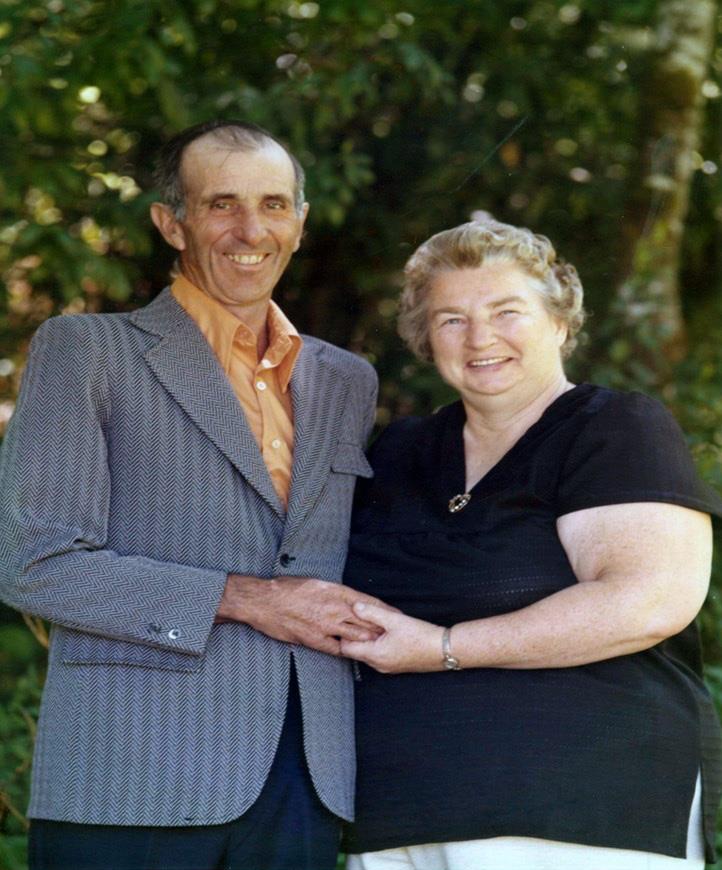
Document page 48
48


Figure 2 George and Nora Ashford (Nanny and Grandpa).


Figure 3 Mollie Leona Buckle – Grandma Buckle.
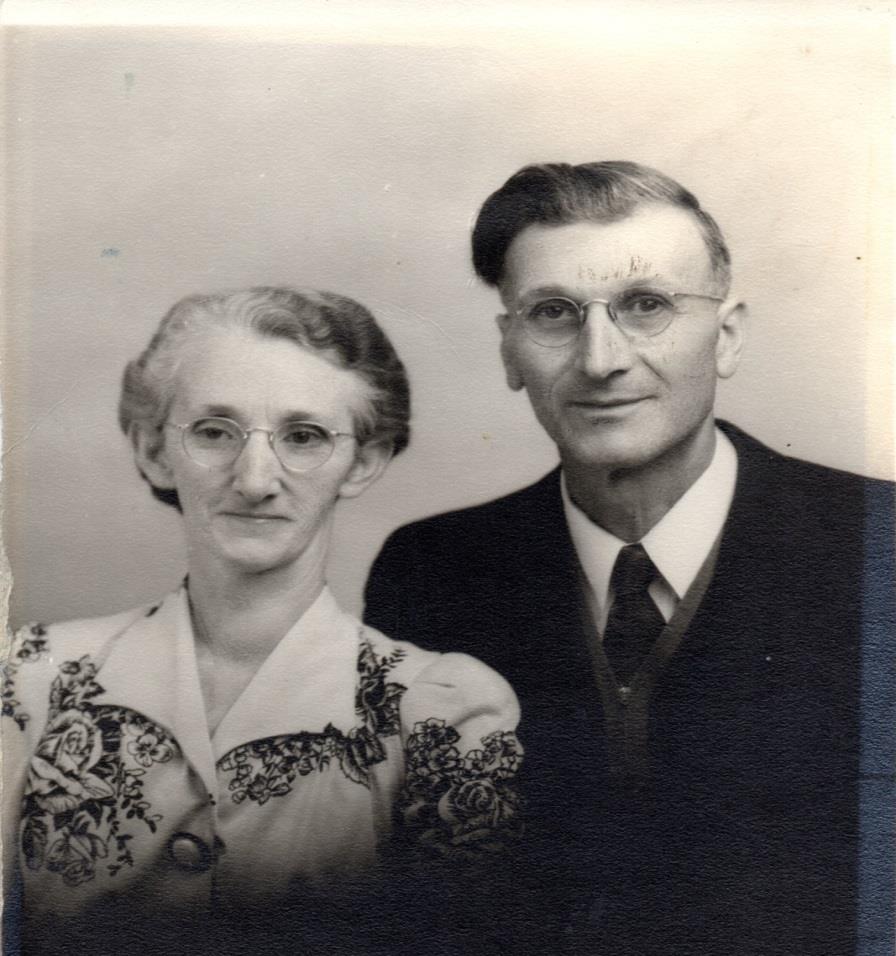
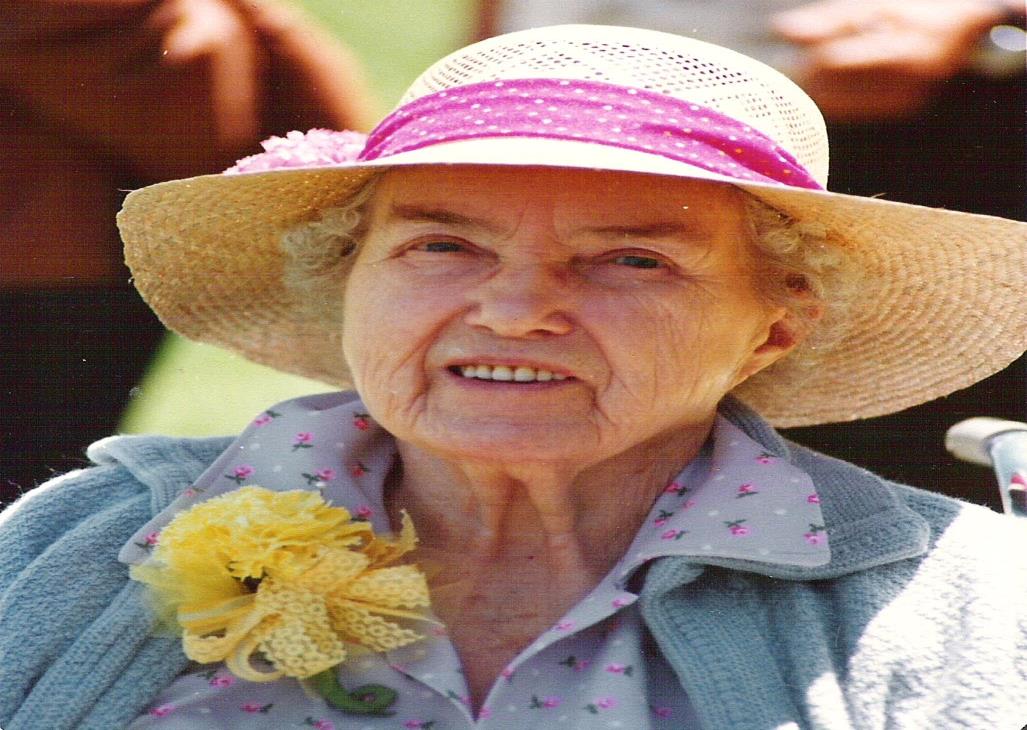
Document page 49
49


Figure 4 Grandma Buckle’s house in Lookingglass, Oregon.


Figure 5 Delberta and Rodney at Vernonia.
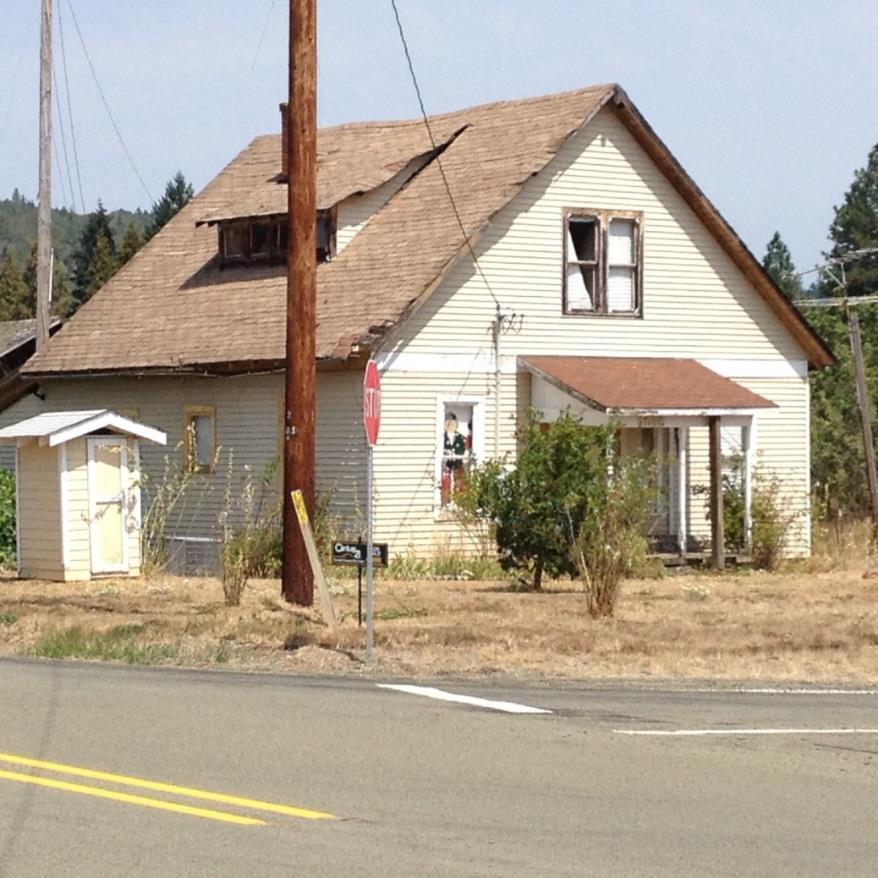
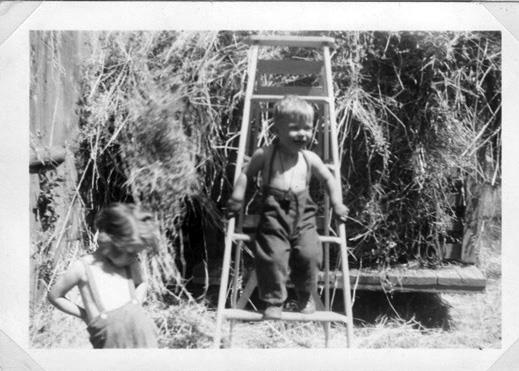
Document page 50
50


Figure 6 Arial View of Farm at Albany.


Figure 7 House on the Farm at Albany in 1987.
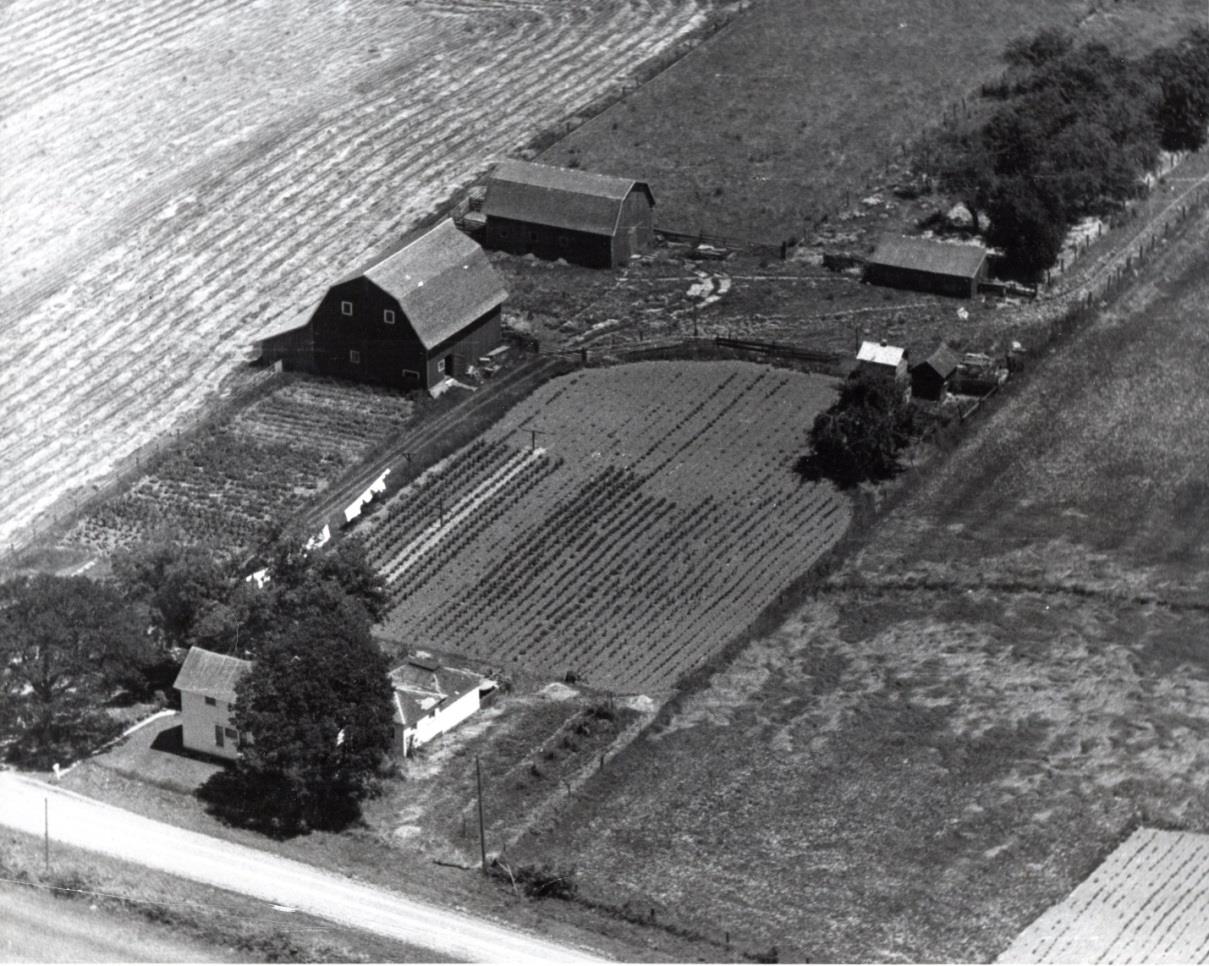
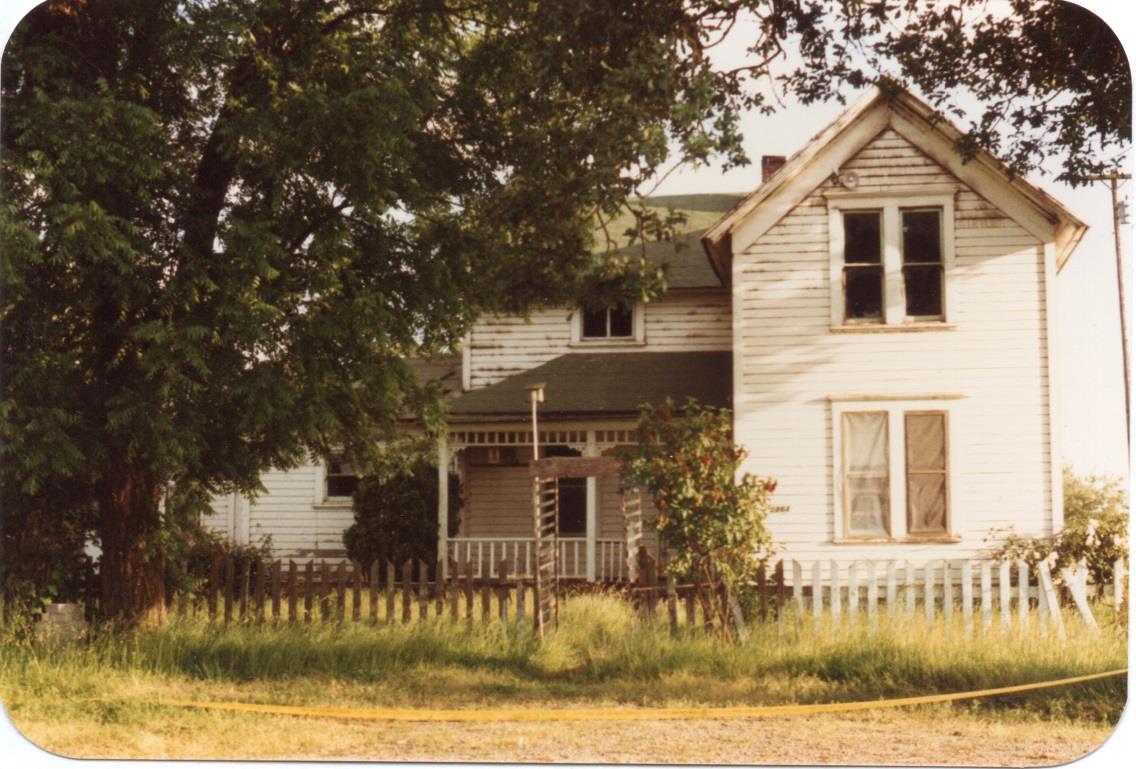
Document page 51
51


Figure 8 Two room schoolhouse at Oak Creek.


Figure 9 We only had the two garages built when we lived here in Myrtle Creek.
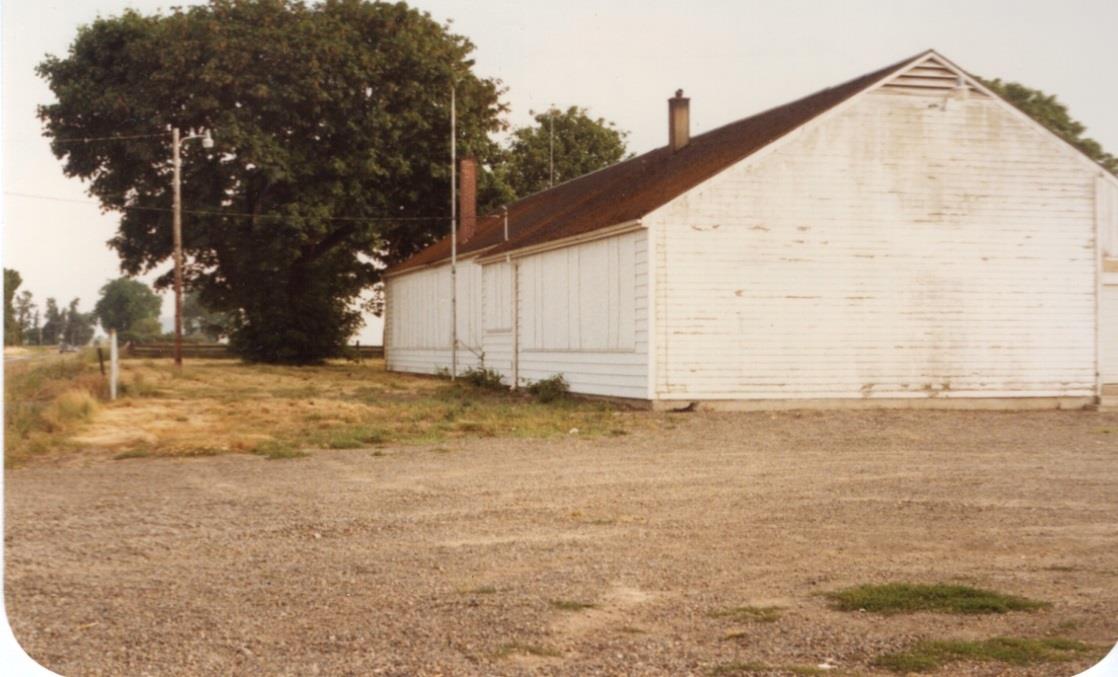
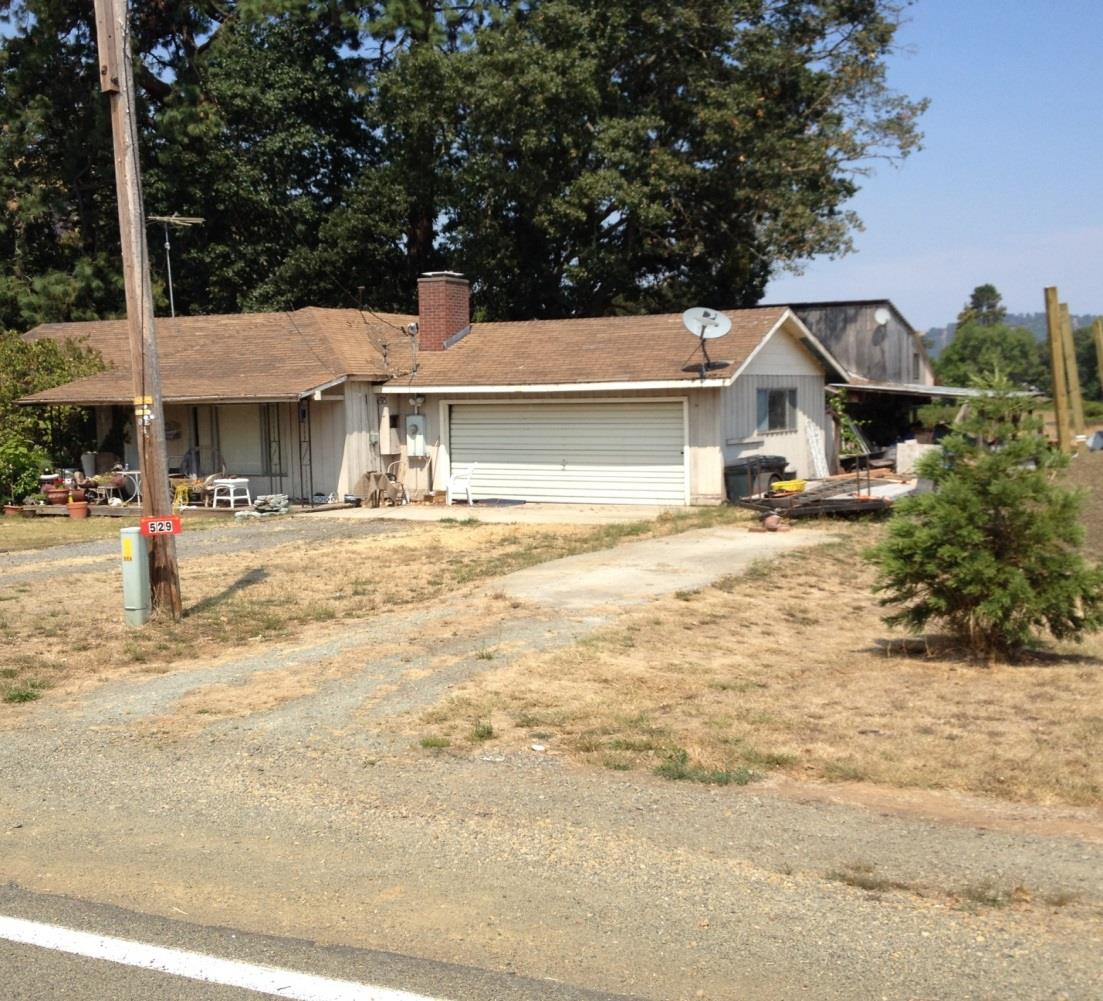
Document page 52
52


Figure 11 Street Sign near our house at Myrtle Creek.


Figure 12 House at Four Mile.
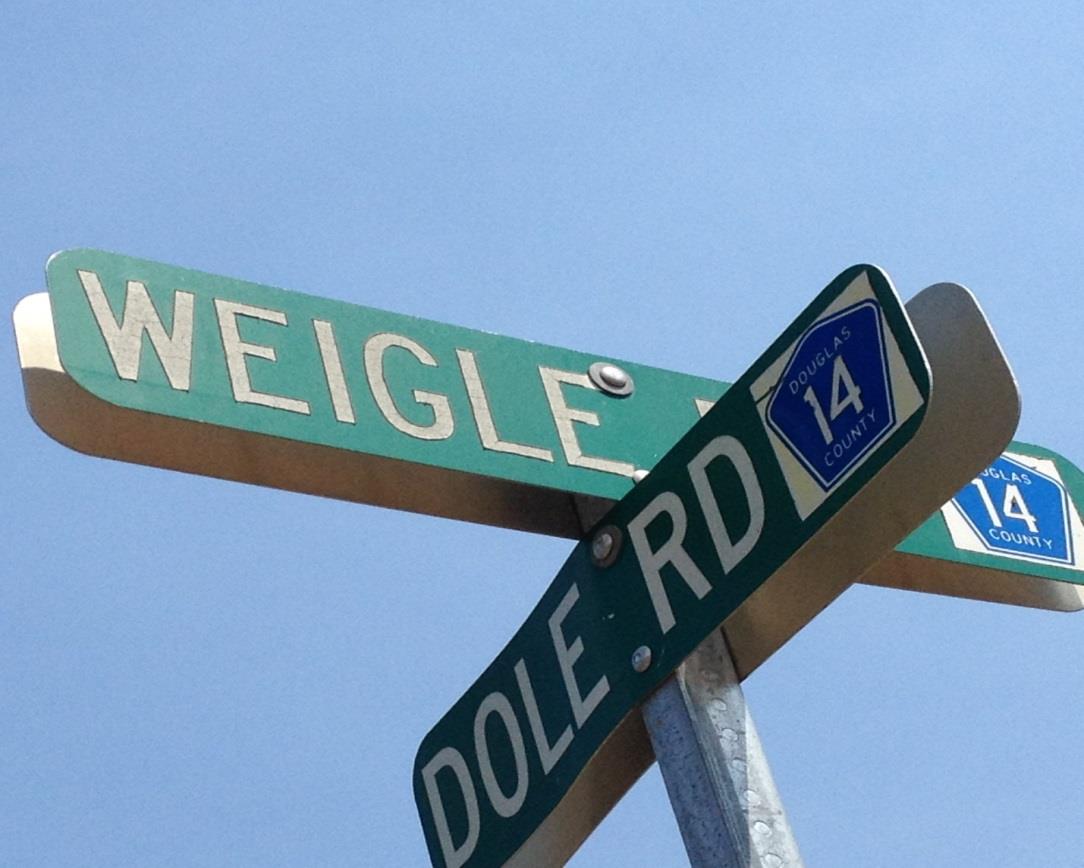
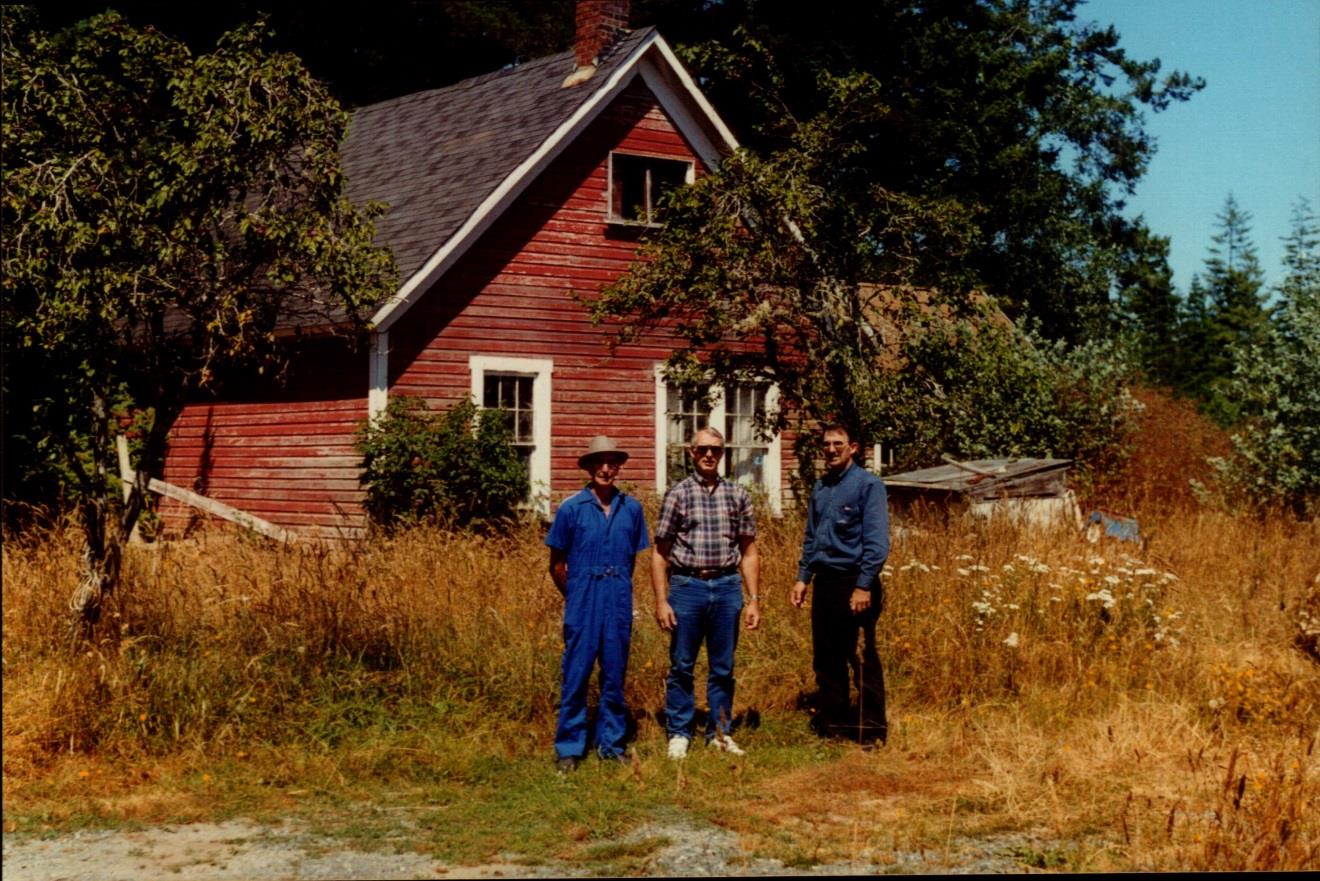
Document page 53
53


Figure 13 Langlois Elementary School.


Figure 14 House in Bandon near the Planing Mill.
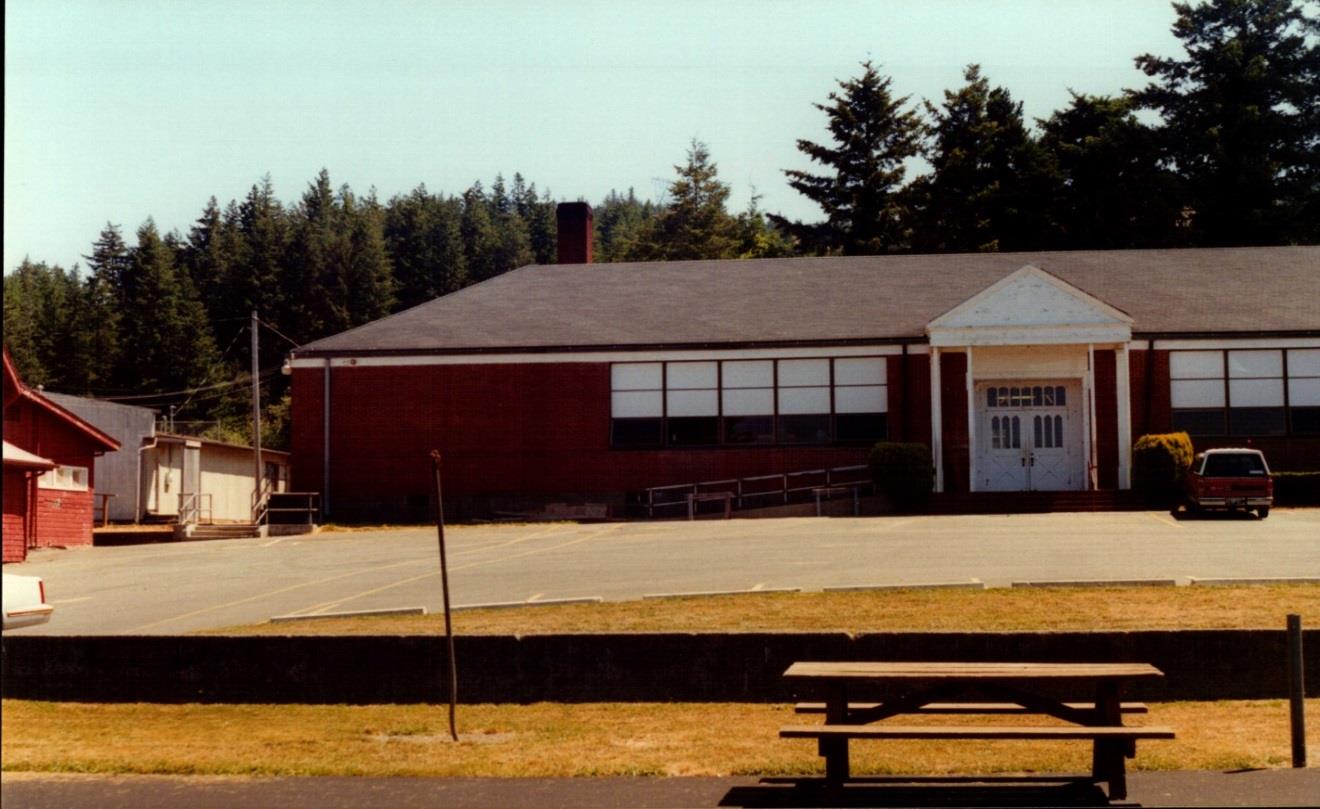
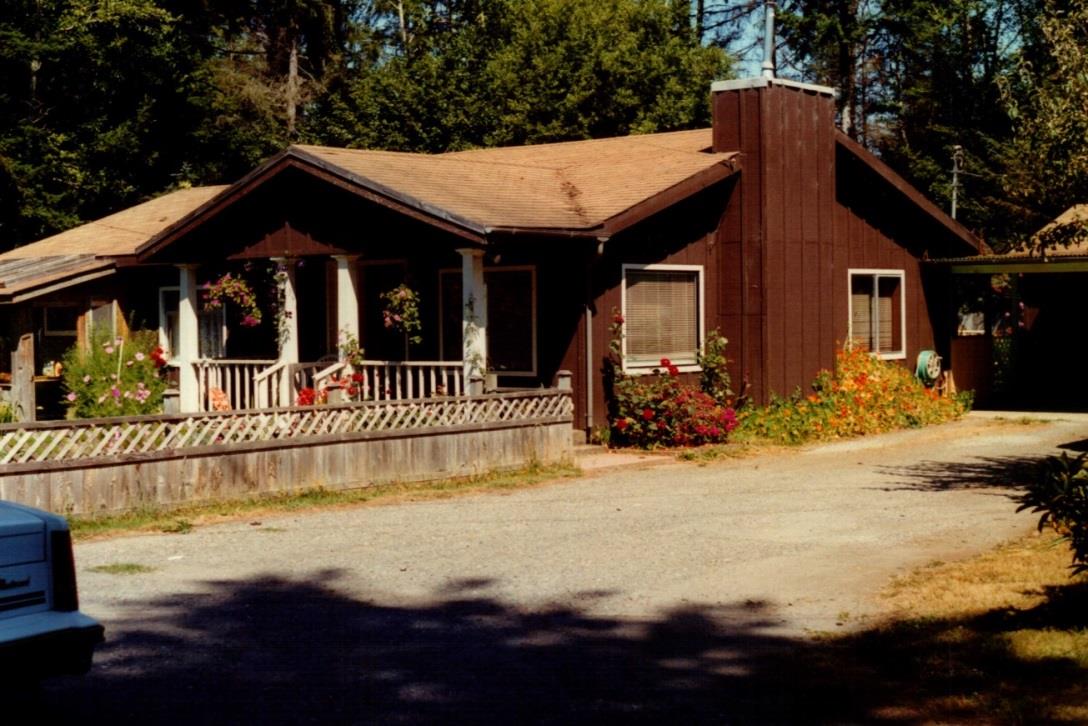
Document page 54
54


Figure 15 First house we lived in at Gardiner.


Figure 16 Street sign near our house Gardiner, Oregon, First, and Commercial,
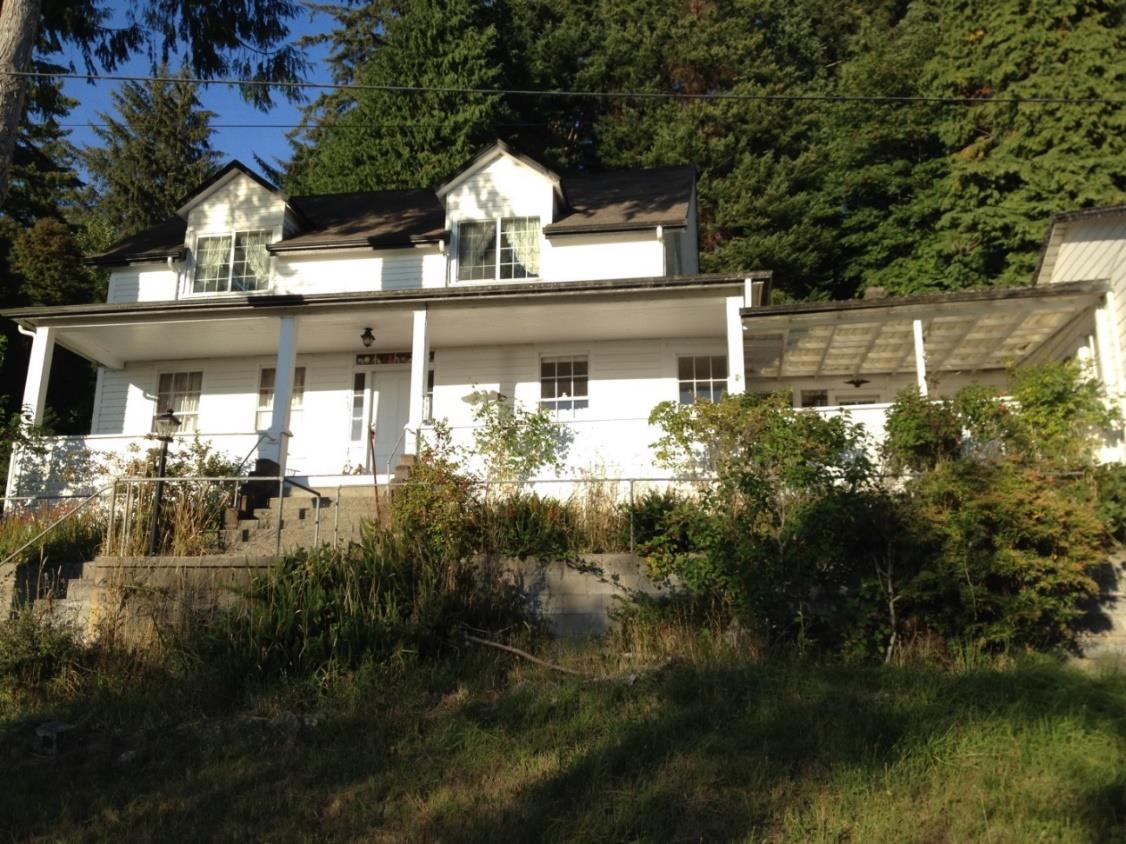
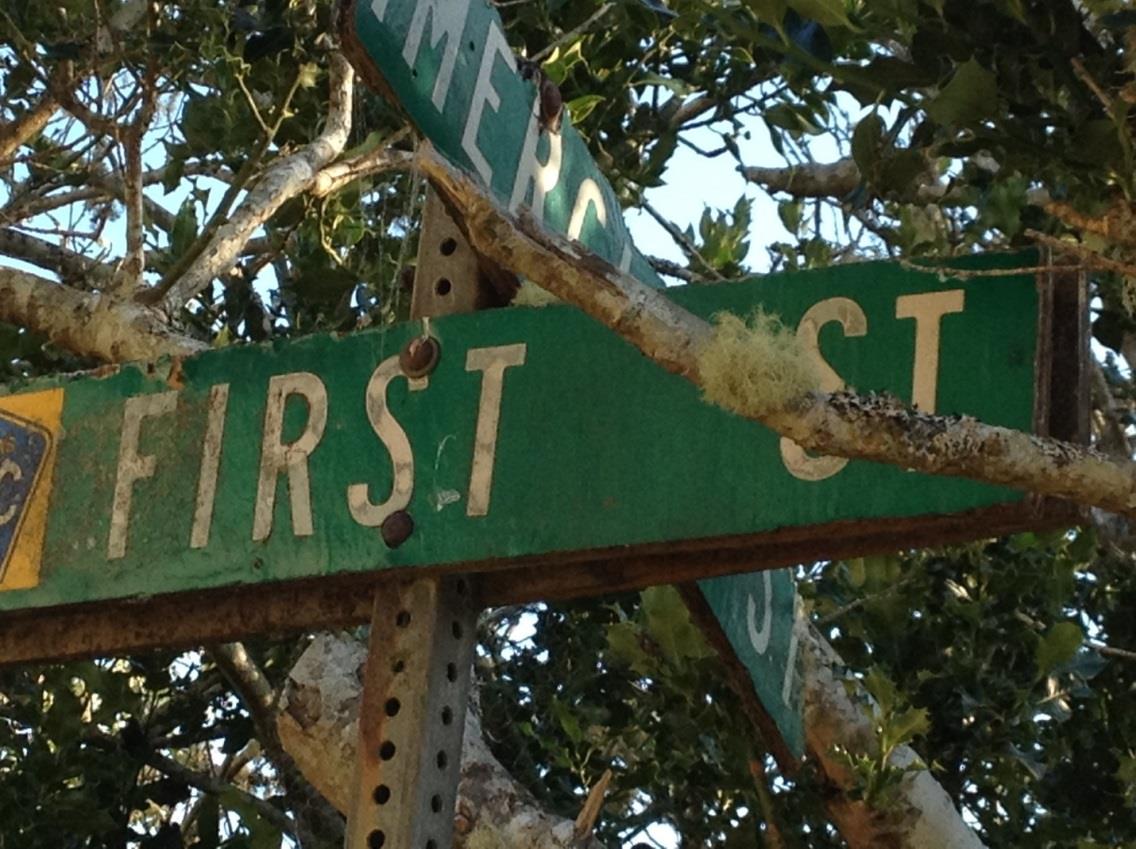
Document page 55
55


Figure 17 Gardiner Grade School (W. F. Jewett).


Figure 18 Reedsport Union High School (now a Community Charter School).
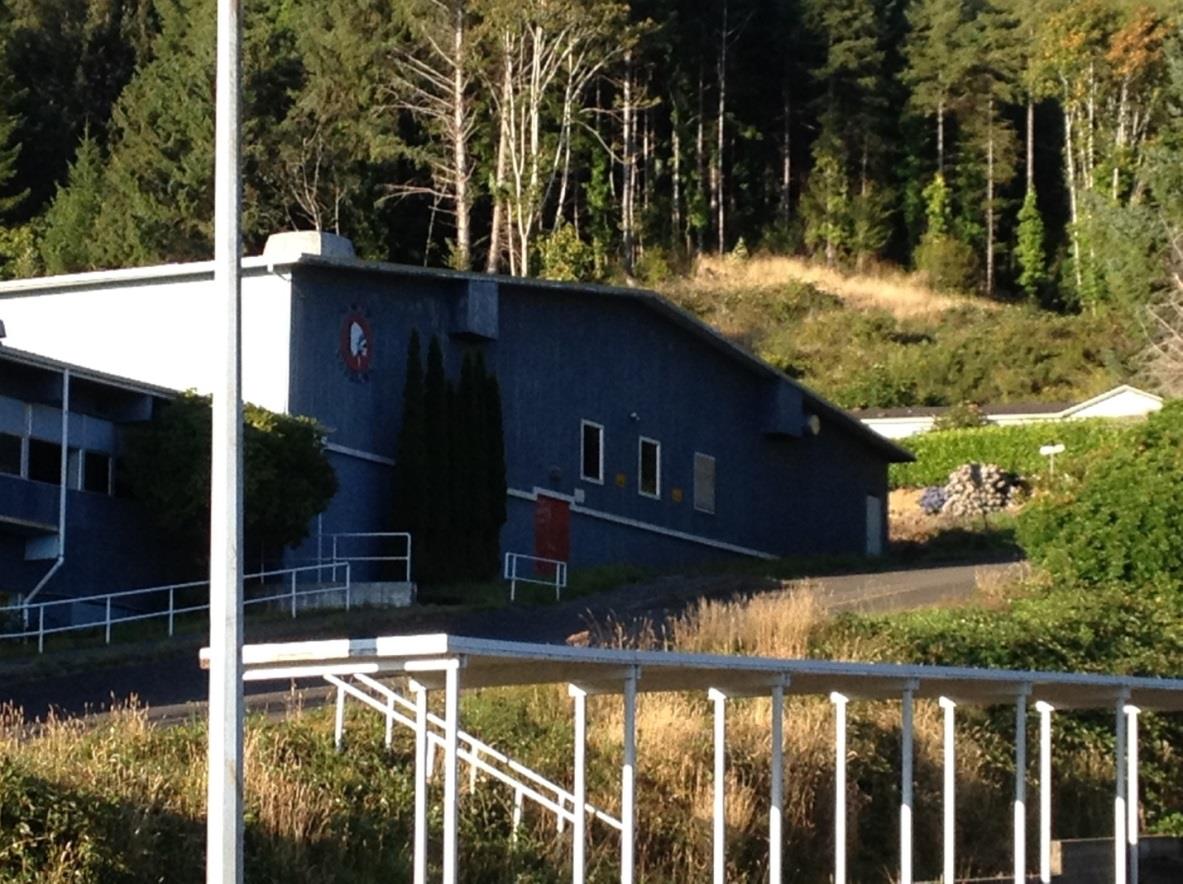
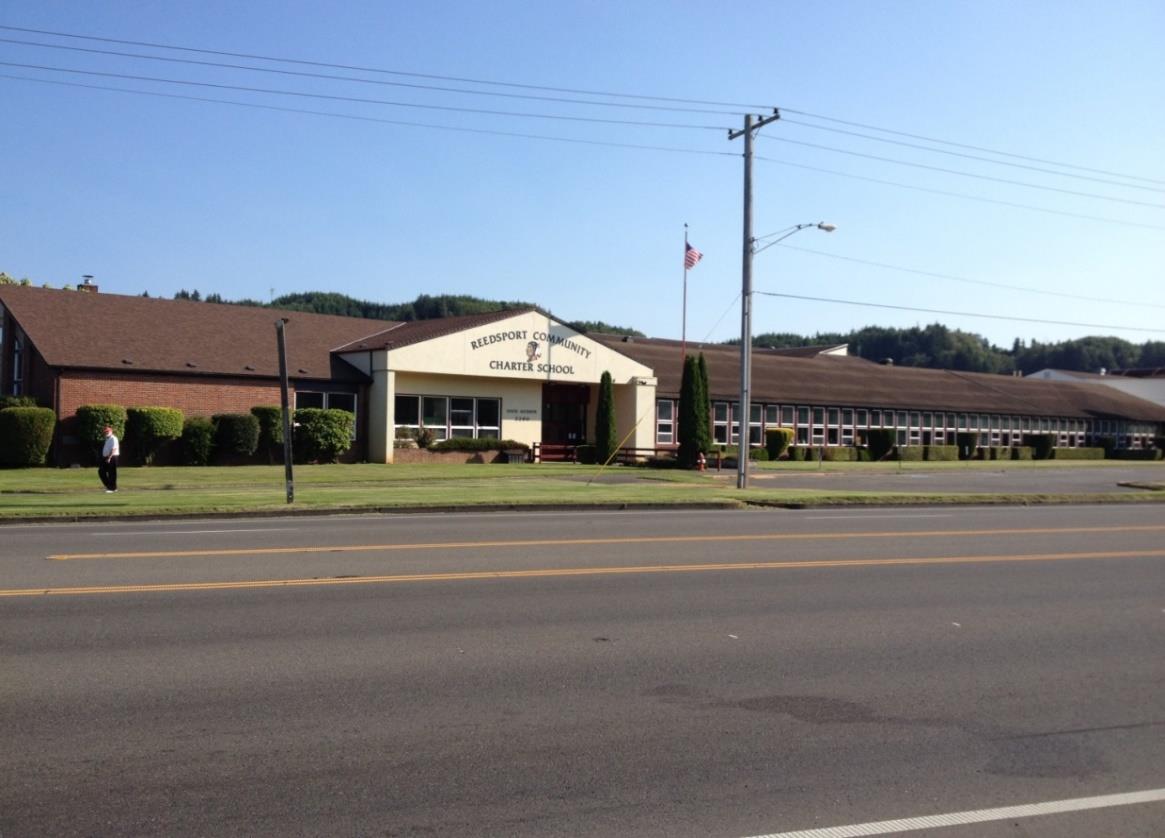
Document page 56
56


Figure 19 Long and Winding Road.


Figure 20 Home we built at 160 Cedar Avenue, Reedsport, Oregon.
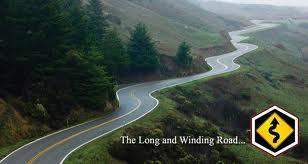
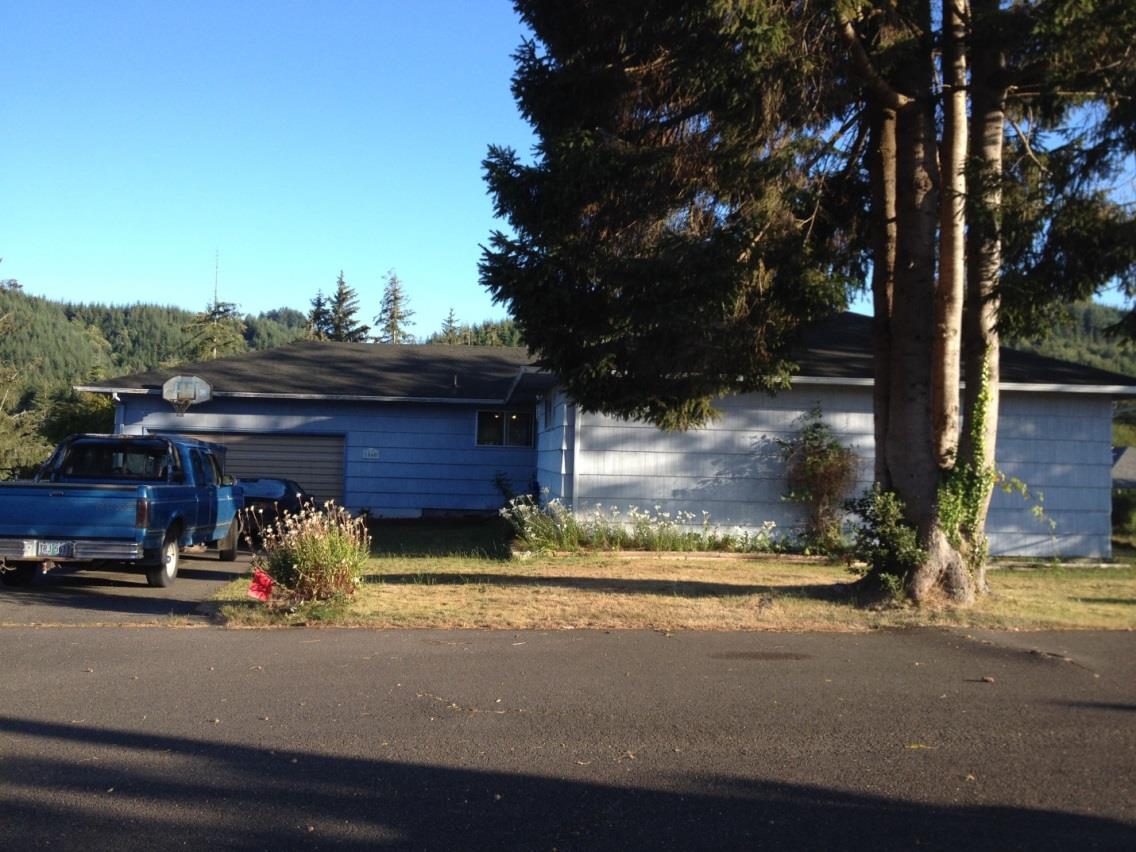
Document page 57
57


Figure 21 Second Place we lived in at Gardiner.


Figure 22 View of the house from the boat dock.
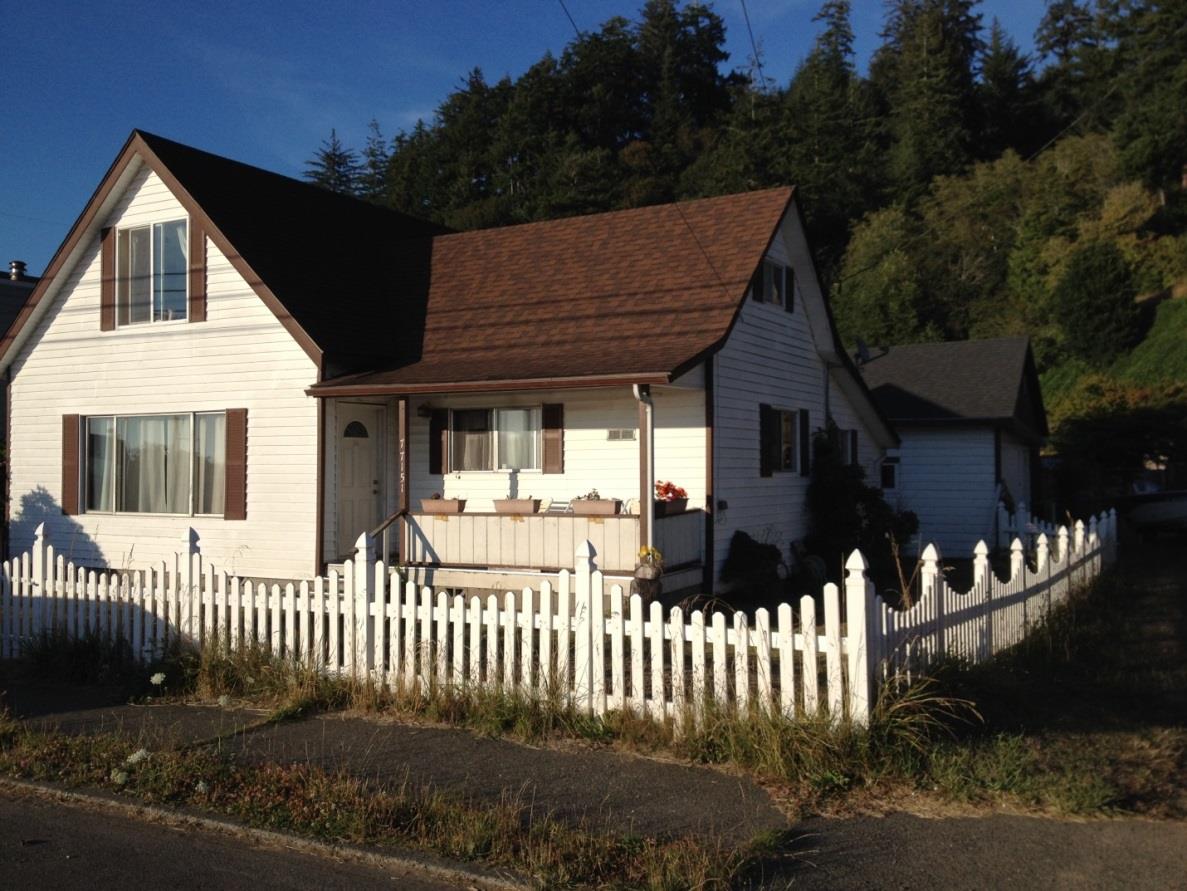
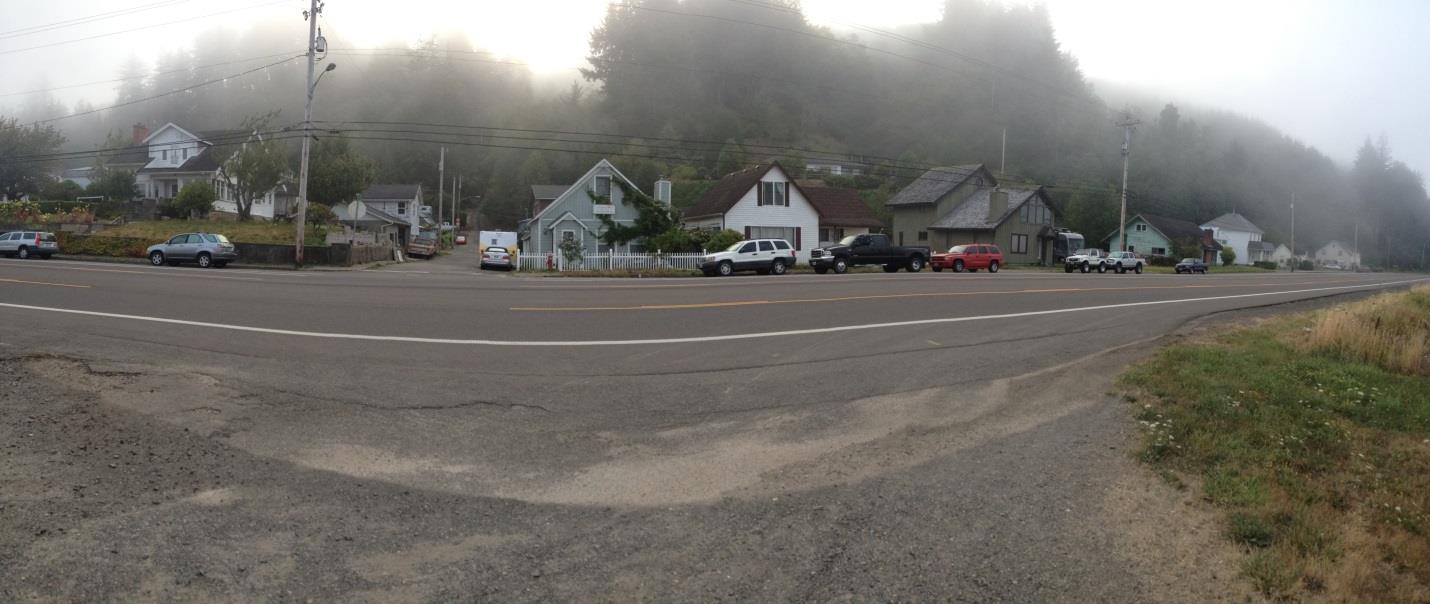
Document page 58
58


Figure 23 Gardiner boat dock.


Figure 24 The 36 inch 30 LB Stripped Bass Caught in the Umpqua River
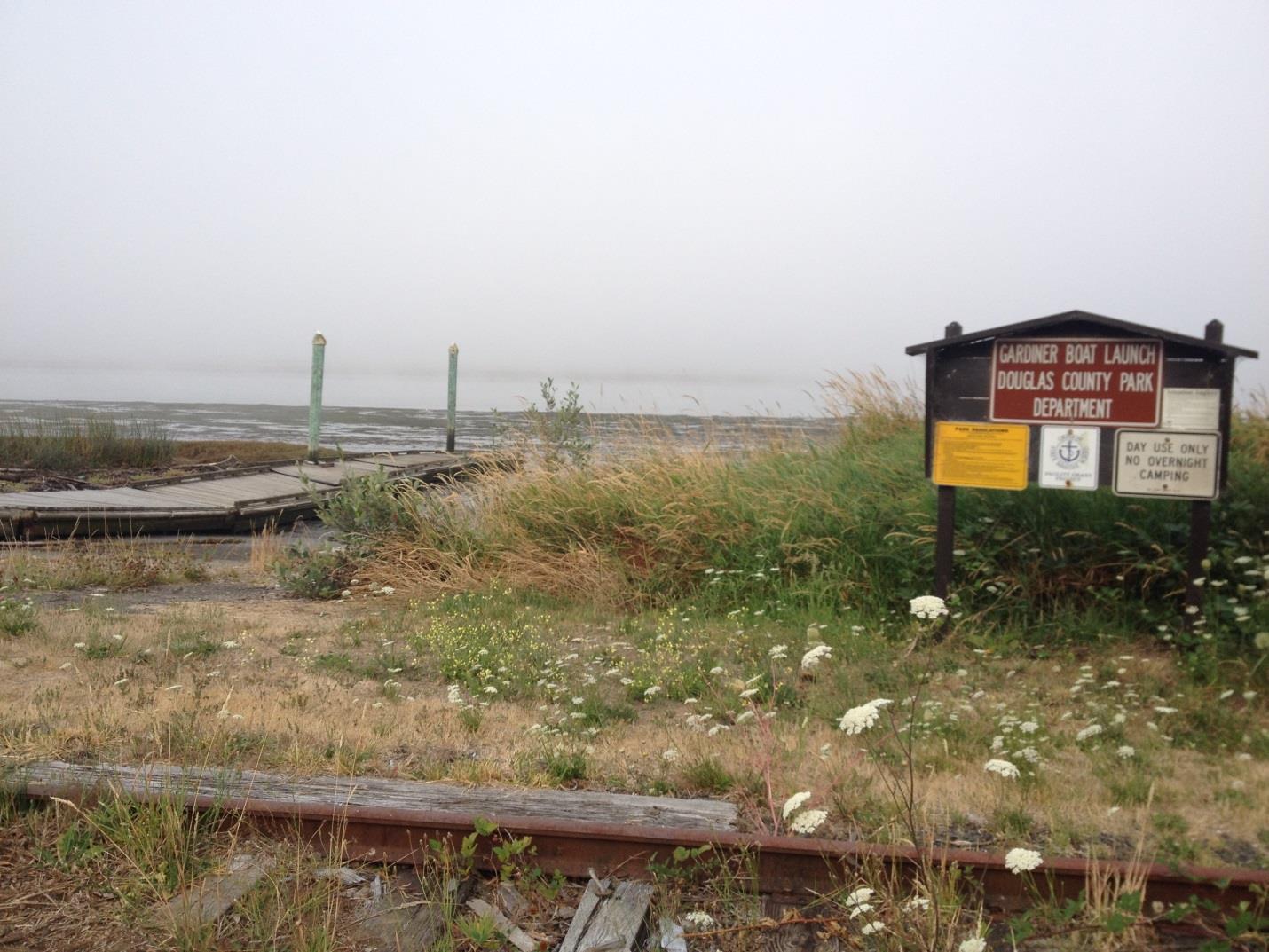
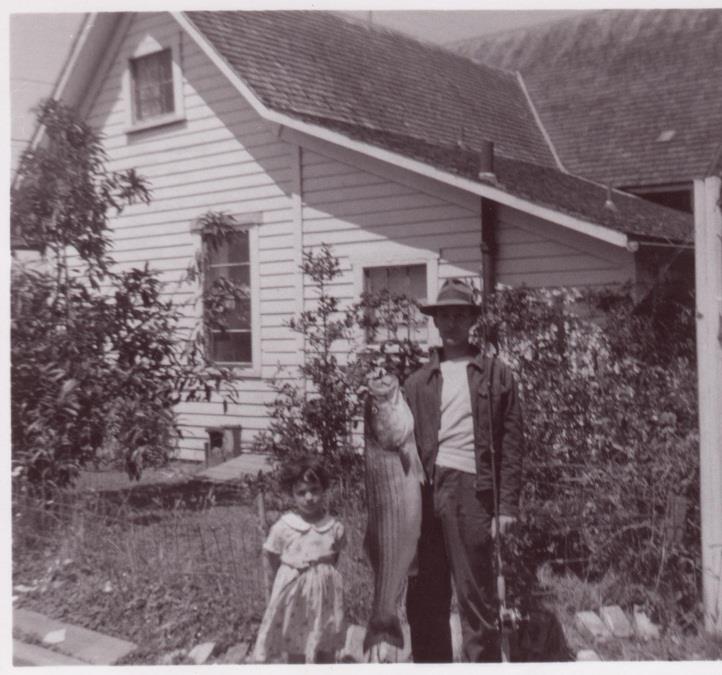
Document page 59
59


Figure 25 Back row: Delberta, Rodney, Dennis, David
Front rod: Marvin, Leona, Robin, Delbert 1960.
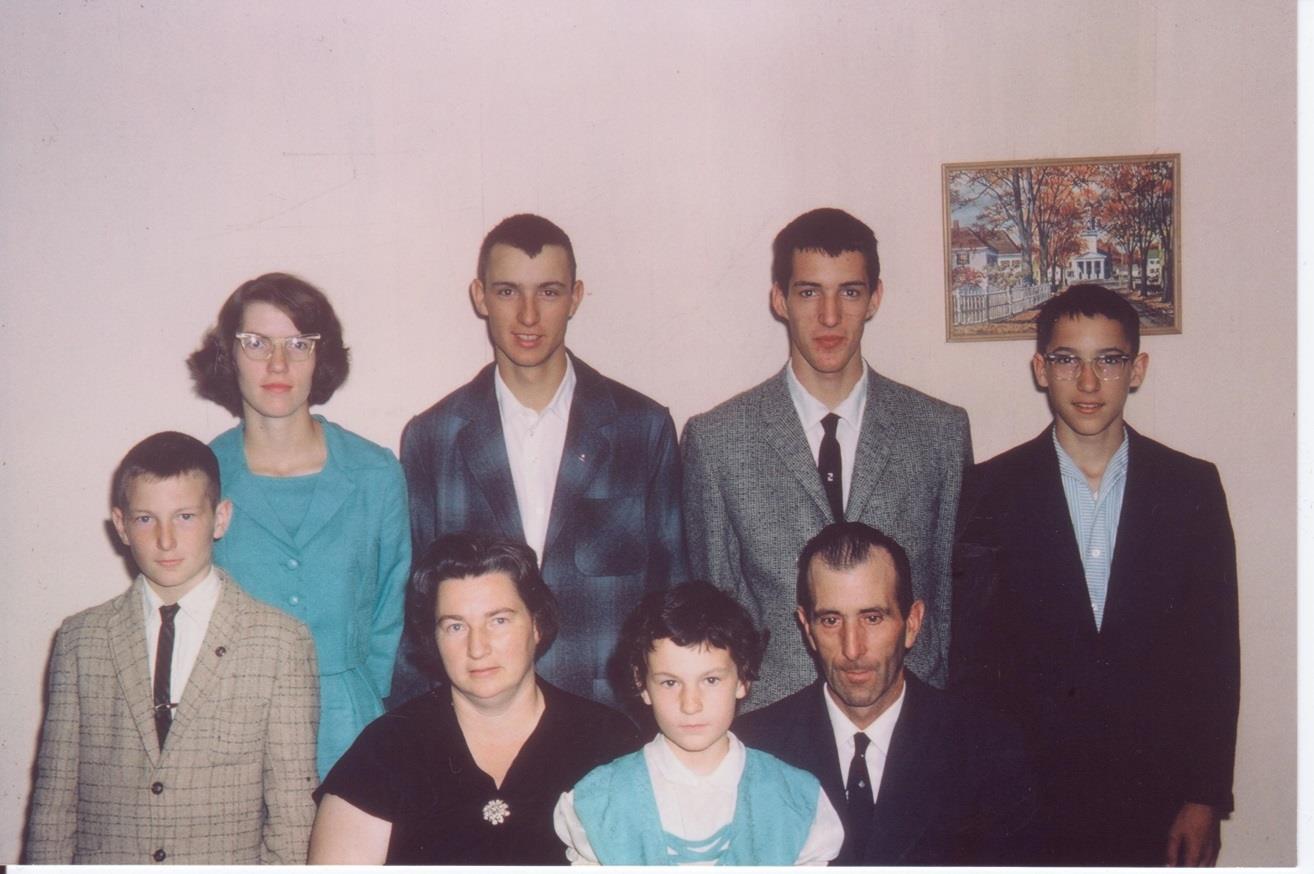
Document page 60
60


Figure 26 John Craig Ashford and me.
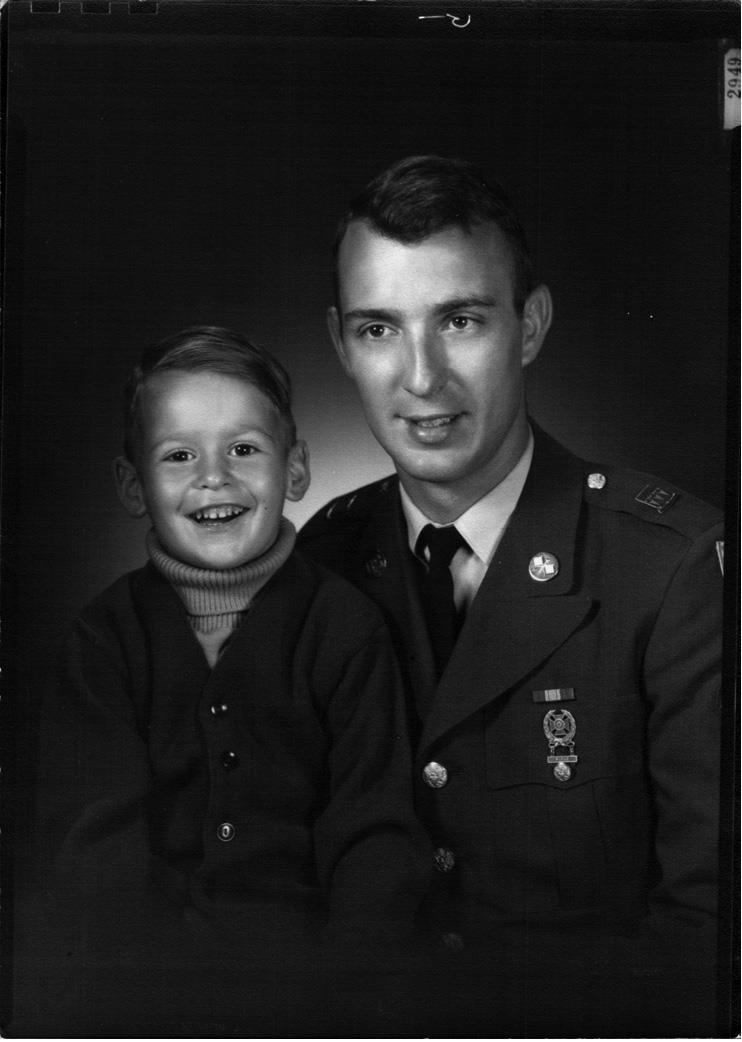
Document page 61
61


Figure 27 Justin Lowell Ashford and me

Document page 62
62


Figure 28 Our daughter and me.

Document page 63
63


Back row: Rodney, Dennis, David. Front row: Marvin, Robin, Delberta 1974.


Ashford Family Picture taken at Mom and Dad’s 50th Wedding Anniversary June 1987.
Back Rod: Dennis, Marvin, Rod.  Middle Row: David, Mom, Dad.  Front Row: Delberta and Robin.


Document page 64
64


2006 Family Reunion - Back Row David, Rod, Dennis, Front Row Delberta, Robin, Marvin.
